Hairtec Hair Transplant Clinic

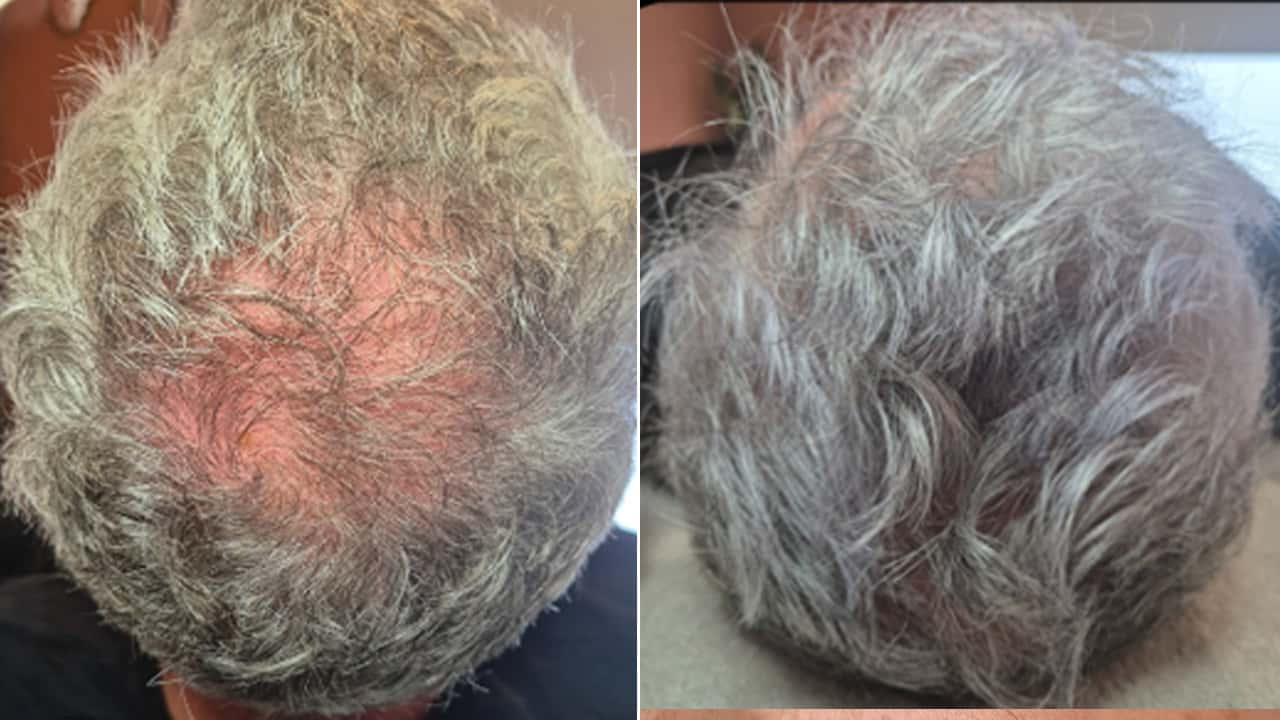
The four-month mark officially ends the difficult shedding phase and introduces visible results. At exactly 4 months after hair transplant surgery, dormant follicles finally push new hair shafts through the scalp. The grafts are permanently secure. The Hairtec clinical protocol now shifts entirely toward maximizing the thickness of this early growth and supporting the scalp through continuous medical monitoring.
| Daily Activity | Clinical Rule for 4 Months | The Medical Justification |
| Heavy Weightlifting | Perfectly Safe | The vascular system easily handles extreme high blood pressure. |
| Gym with Concealers | Strictly Prohibited | Sweat forces cosmetic powders into the pores and causes severe acne. |
| Ammonia-Free Hair Dye | Perfectly Safe | The scalp skin barrier is fully regenerated and resists mild chemicals. |
| Chemical Bleaching | Strictly Prohibited | Harsh lightening agents permanently melt and destroy the fragile new baby hairs. |
| Using Hair Clippers | Donor Area Only | Metal blades risk ripping the thin new hairs out of the recipient area. |
| Direct Sun Exposure | SPF 50 Required | Emerging hairs are too thin to block UV rays from burning the scalp. |
For corporate professionals in London, the fourth month is often a transitional aesthetic phase. The hair is growing but lacks the final density required for a perfectly solid hairline. Navigating high-level boardroom meetings or social events requires specific styling tactics.
Using cosmetic hair-building fibers or colored concealers is finally permitted. These powders attach to the fine new hairs, instantly creating the illusion of a thick, full head of hair. However, patients must wash these concealers out every single night. Leaving cosmetic powders on the scalp for multiple days clogs the pores and suffocates the emerging hairs. Furthermore, patients must never wear hair concealers during heavy gym sessions. Sweating heavily while wearing these powders drives the cosmetic particles deep into the open pores, triggering severe folliculitis and painful scalp acne.
For female patients, the four-month mark brings immense styling freedom, but chemical limits still apply. Applying standard, ammonia-free hair dyes to the recipient area is safe. However, chemical bleaching or heavy lightening treatments remain strictly prohibited. Bleach literally melts the fine, newly emerged vellus hairs.
Using hot styling tools like curling irons and flat irons is permitted, but the hot metal must remain at least one inch away from the roots. Touching the scalp with a 200-degree iron causes instant thermal trauma and permanently kills the new follicle. While heavy clip-in extensions carry a mild traction risk, light tape-in extensions applied by a professional stylist are generally safe at this stage.


The four-month mark is a major checkpoint within the Hairtec aftercare system. Patients are required to submit their updated high-resolution photos through the secure digital portal. The dedicated medical assistant evaluates the growth rate, checks for any signs of late-stage folliculitis, and documents the density progression. This continuous remote monitoring guarantees that the patient receives immediate clinical intervention if the growth appears slower than expected.
To accelerate this early growth, many patients schedule a follow-up Platelet-Rich Plasma (PRP) session. Administering concentrated growth factors precisely when the hair is breaking through the skin provides a massive biological boost.
The medical team also evaluates the nutritional foundation at this stage. A premium recovery requires a diet rich in Zinc, Iron, and Biotin. Providing the body with these specific minerals fuels rapid cellular division and actively thickens the fine, baby-like hairs, accelerating the timeline toward full density.
The crown region at the top of the head naturally possesses a lower blood supply compared to the frontal hairline. Because blood carries the vital nutrients needed for hair growth, the crown takes significantly longer to develop, often requiring up to 15 months to show final density.
No. While wearing cosmetic hair fibers to the office is safe, wearing them during a heavy workout is highly dangerous. Heavy sweating pushes the cosmetic powder deep into the hair follicles, causing severe blockages, infections, and painful scalp acne.
No. While standard ammonia-free dyes are safe, harsh chemical bleaching or lightening treatments are strictly prohibited. Bleach is highly corrosive and will easily melt or snap the fragile, newly emerged baby hairs. Patients must wait at least eight months for bleaching.
Using hot styling tools is permitted, but the heated metal must never touch the scalp. Patients must keep straighteners and curling irons at least one inch away from the roots to prevent severe thermal trauma from permanently killing the fragile new follicles.
The new hair shafts are pushing their way through microscopic internal scar tissue created during the initial surgery. This physical friction temporarily changes the texture of the hair, making it look curly or wiry. The hair naturally straightens and softens as it grows longer.
Patients can only use electric clippers on the donor area at the back of the head. The recipient area must only be cut using scissors. The vibrating metal teeth of a clipper easily catch and pull out the thin, fragile new hairs at the front.
Patients typically see around 30 to 40 percent of their final density at this milestone. The new hairs are still very thin and lack pigment. The remaining dormant follicles will continue to emerge gradually over the next six to eight months.
Swimming in the ocean or pools is entirely safe. However, the newly emerged hairs are too thin to provide adequate shade for the scalp. Patients must apply a liquid SPF 50 sunscreen or wear a hat to prevent severe sunburns on the scalp tissue.
Occasional whiteheads are completely normal. This late-stage folliculitis occurs because the thickest terminal hairs are finally pushing through the closed skin surface. Patients must apply a warm compress instead of popping the pimples.
Every step toward a fuller head of hair starts with good advice. Schedule a free, no-obligation consultation and find out which treatment is right for you.
A personal consultation with our specialists to discuss your needs and options.
A detailed analysis of your scalp and hair follicles to determine the right approach.
The chosen hair transplant technique is carefully performed by our experienced team.
Professional support after your treatment to ensure optimal recovery and lasting results.