Hairtec Hair Transplant Clinic

Eyebrow thinning or a total lack of hair in the brow area significantly impacts facial symmetry and personal expression. Cosmetic alternatives such as makeup, microblading, or tattooing provide temporary visual improvements but lack the natural texture and three dimensional depth of real hair. An eyebrow hair transplant offers a permanent medical solution by relocating living follicles to the brow region.
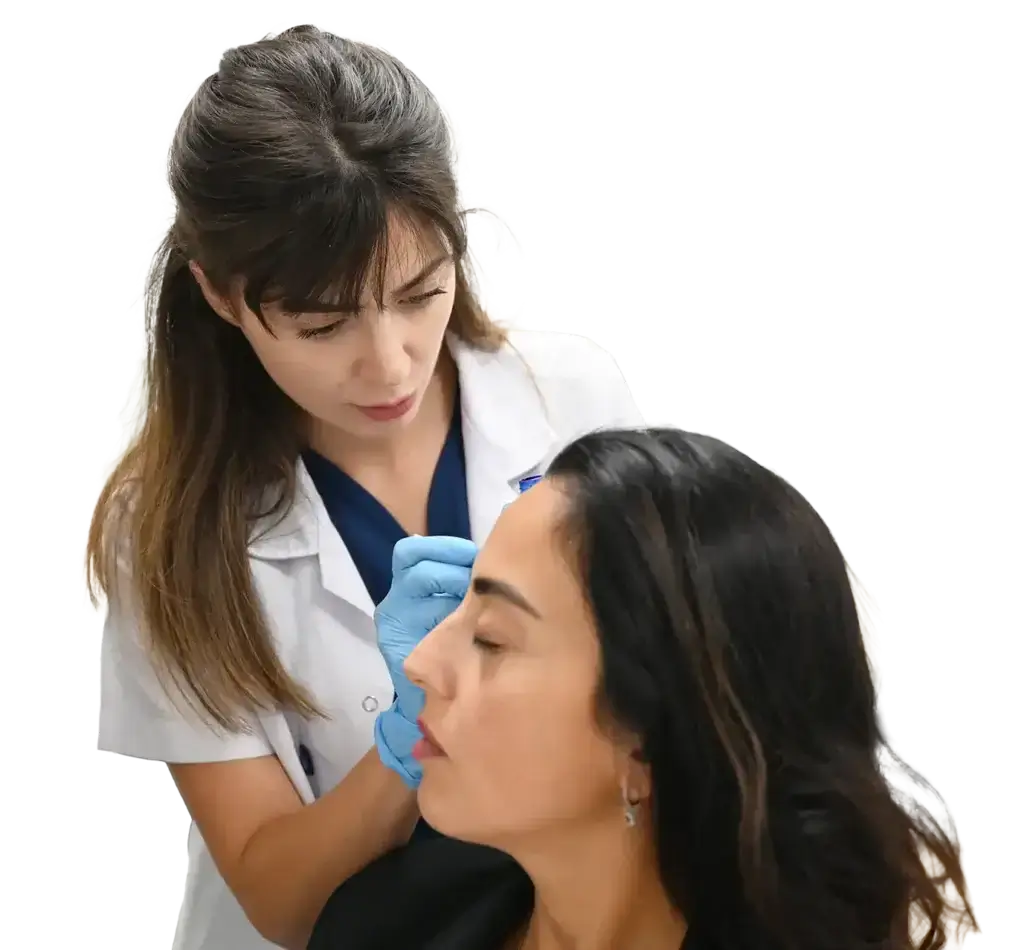
An eyebrow hair transplant restores natural shape, density and definition to over-plucked, scarred or thinning eyebrows. The procedure relocates fine single-hair grafts from the donor area using ultra-precise DHI placement to match the natural angle and direction of native brow hair.
This surgical procedure addresses various causes of hair loss, including over plucking, genetic thinning, scarring from physical trauma, or medical conditions. The process involves moving hair from a donor site, typically the back of the head, to the eyebrows to create a fuller and more defined shape.
Medical precision is essential in this specific area because the angle and direction of eyebrow hair are far more complex than the hair on the scalp. Successful restoration depends entirely on the surgical team ability to replicate the natural growth patterns of the original brow.
Individuals frequently ask can you get a hair transplant on your eyebrows when looking for a lasting alternative to daily cosmetic routines. Modern hair restoration techniques allow for the successful relocation of follicles to the facial area with high survival rates and natural results.
The procedure is suitable for both men and women who wish to adjust the shape, density, or length of their eyebrows. While the donor hair comes from the scalp, the medical team selects the finest hairs to ensure they match the thinner profile of natural eyebrow strands as closely as possible.
Before undergoing surgery, a clinical evaluation is necessary to determine if a patient can get eyebrow hair transplant based on their specific health profile. Not all forms of hair loss are treated with surgery. If the thinning is caused by an active autoimmune condition, the medical team may advise waiting until the condition is stable.
Patients must have a healthy donor area at the back of the head. Even though the number of follicles required for eyebrows is relatively low, the quality of these grafts determines the final aesthetic outcome. Fine hair is generally preferred over thick hair for brow reconstruction.
Restoring the eyebrows often leads to a significant increase in self confidence. Because the brows frame the eyes and define the upper face, even a small increase in density can create a more youthful and balanced appearance. This permanent change removes the need for daily drawing or temporary tinting procedures.
| Objective | Clinical Solution | Long Term Benefit |
|---|---|---|
| Density Restoration | Targeted follicle relocation | Natural three dimensional hair |
| Shape Definition | Precision graft placement | Permanent facial framing |
| Scar Concealment | Implantation into scar tissue | Seamless skin integration |

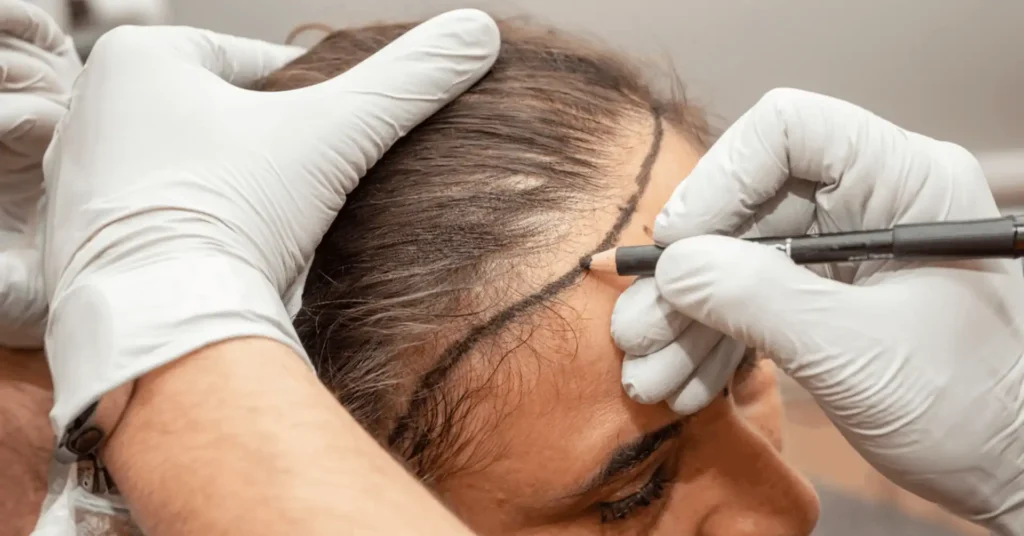
The visual outcome of an eyebrow hair transplant depends primarily on the precision of the pre-operative design phase. Each brow must be drawn to match the patient’s facial anatomy, considering bone structure, eye shape, and natural symmetry between the left and right side. The surgeon maps the hairline of the brow with the patient seated upright to ensure that the design holds true under normal posture.
Reference photographs from the patient’s younger years often guide the planning when previous brow shape is preferred. The marking includes the head, body, and tail of the brow, defining a soft transition rather than rigid blocks of hair.

Beyond the initial outline, the surgeon refines micro-symmetry by measuring distances between key facial landmarks: the inner canthus, the iris, and the tail of the eyebrow. Millimetre-level adjustments at this stage prevent any visible asymmetry once the grafts settle into position.
Each follicle direction is also predetermined during the marking phase. Eyebrow hair grows downward at the head, horizontally through the body, and slightly downward again at the tail. The implantation map respects this natural growth pattern, ensuring the result blends with the surrounding facial hair without revealing the surgical origin.
Performing a hair transplant for eyebrows requires a high level of artistic and technical skill. The surgical session typically takes between three to four hours and is performed under local anaesthesia. The medical team follows a structured protocol to ensure the grafts are handled with care and placed with absolute accuracy.
The process begins by harvesting follicles from the lower part of the scalp. This area usually contains finer hair that closely mimics the natural texture of eyebrow hair. Surgeons use a microscopic punch tool to remove individual follicular units.
Every extraction is performed with a focus on preserving the surrounding tissue. Because only a few hundred grafts are needed, the donor area heals rapidly without any visible reduction in density. The harvested follicles are immediately placed in a specialized storage solution to keep them viable.
Once the extraction is complete, the surgical technicians sort the grafts under high power magnification. For eyebrows, it is critical to use single hair grafts. Naturally, eyebrow hair grows as individual strands rather than the groups of two or three often found on the scalp. Using multi hair grafts in the brows would create an unnatural, thick appearance.
The implantation phase is where the technical difficulty is highest. Natural eyebrow hair grows at an extremely flat angle, almost parallel to the skin. The surgeon must create microscopic entry points that follow this exact angle.
Using a specialized tool like the Choi Implanter Pen allows for greater control over the direction of growth. The surgeon places the hair in a way that replicates the natural fan shape at the inner corner and the sweeping tail at the outer edge of the brow.
One of the primary concerns for patients is whether the investment provides a lasting solution. The question is eyebrow hair transplant permanent is answered by the biological nature of the relocated follicles. The hair taken from the back of the head is genetically resistant to the hormones that cause thinning.
The concept of donor dominance means that the transplanted hair retains the characteristics of the area it was taken from. Because the follicles from the back of the head are programmed to grow for a lifetime, they will continue this cycle in their new location. This makes the results of a hair transplant eyebrow permanent.
The success rate for these procedures is exceptionally high due to the excellent blood supply in the face. Unlike other areas of the body, the eyebrows provide a rich environment for newly implanted follicles to take root and thrive.
Patients should expect a temporary shedding phase about two to four weeks after the surgery. This is a normal biological response where the hair shaft falls out while the follicle remains healthy under the skin. New permanent growth begins approximately three months later. By the end of the first year, the final density and shape are fully established.
Patients must understand the biological characteristics of the hair used in the procedure. A common question is does eyebrow transplant hair grow long? Because the donor hair comes from the scalp, it retains its original growth properties. This means it will continue to grow at the same rate and to the same length as the hair on your head.
Unlike native eyebrow hair that naturally stops growing at a short length, the transplanted hair requires consistent maintenance. Patients should expect to trim their new eyebrows every week or two to maintain the desired shape. This is a simple grooming task that is easily integrated into a regular beauty routine.
Over time, some clinical evidence suggests that transplanted follicles may slightly adapt to their new environment. This phenomenon, known as recipient site influence, can cause the hair to slow its growth rate slightly after several years. However, regular trimming remains a permanent requirement for almost all patients.
| Recovery Stage | Physical Changes | Patient Actions |
|---|---|---|
| Week 1 | Minor redness and crusting | Avoid touching or rubbing |
| Week 2 to 4 | Temporary shedding of hairs | Resume normal washing |
| Month 3 to 6 | New hair begins to surface | Start regular trimming |
| Month 12 | Full density achieved | Routine grooming |
Understanding the financial commitment involves looking at the technical complexity of the surgery. The eyebrow hair transplant cost is not determined solely by the number of grafts but by the specialized skill required for facial restoration. Because every graft must be placed at a specific angle and direction, the labor intensity per graft is higher than in scalp procedures.
Several variables influence the final eyebrow hair transplant price across different clinics.
Patients asking how much does eyebrow hair transplant cost must receive a personalized quote based on their unique facial anatomy. A standardized price often ignores the individual requirements of brow symmetry and hair texture.
Many patients researching eyebrow hair transplant London options consider local providers first, yet a growing number travel to the Netherlands for surgery. The reason is the strict Dutch medical framework that governs every step of clinical practice.
Hairtec operates under Europe’s most rigorous healthcare standards. While eyebrow hair transplant London services offer convenience, the protocols in Delft deliver a different level of technical discipline, with a data-driven focus on long-term follicle survival.
London’s proximity to the Netherlands makes Hairtec a practical choice for a premium experience. Our medical team manages the full pathway from the UK to the clinic with professional care.
A high-quality eyebrow hair transplant involves more than the surgery itself. International patients receive fully managed transport and accommodation, ensuring a stress-free environment for a smooth recovery.
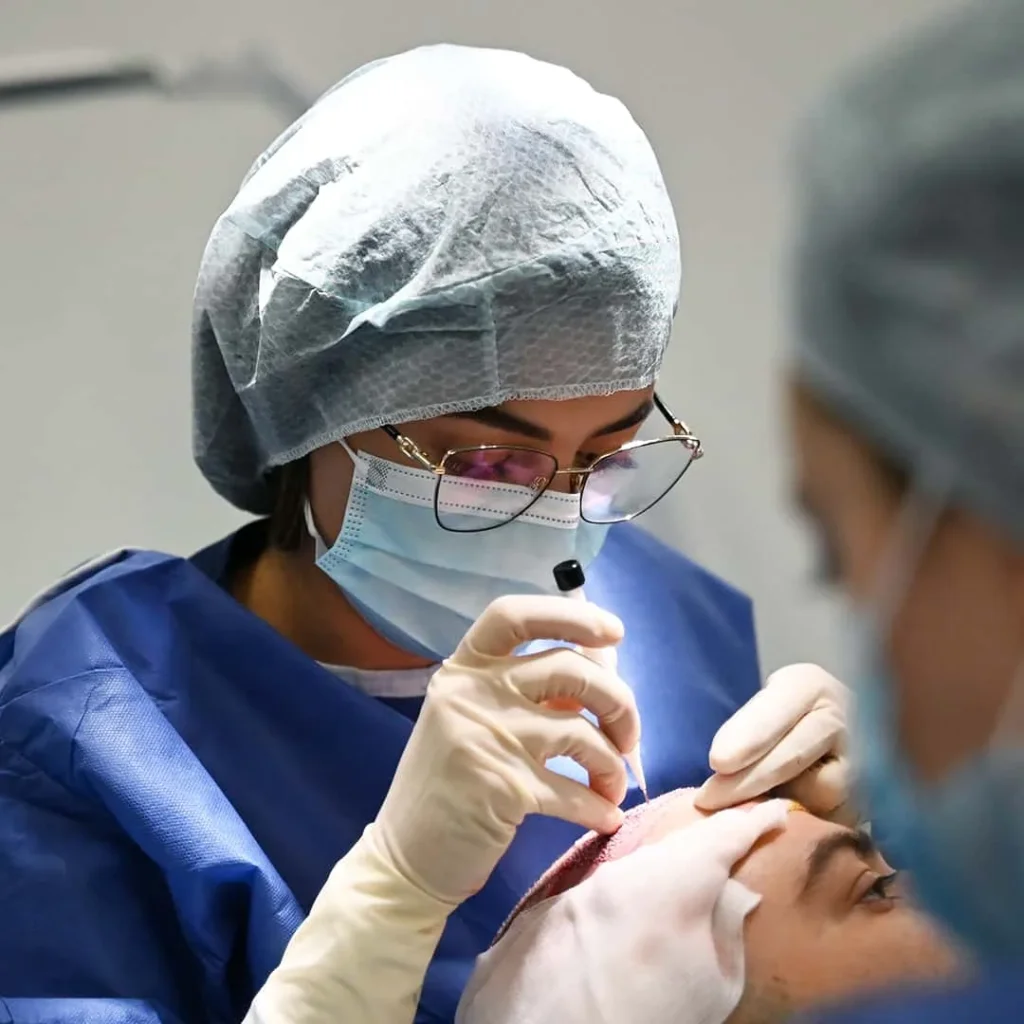
A natural brow result demands more than relocating hair. Hairtec applies a rigorous medical philosophy to every eyebrow restoration, working at the intersection of surgical science and facial aesthetics for results that are permanent and visually seamless.
Our Delft facility follows Europe’s most demanding medical standards. Every extraction and implantation tool is selected to minimise tissue trauma, leading to faster healing and more predictable growth.
The team treats eyebrow reconstruction as a specialised discipline. Unlike high-volume clinics focused on scalp baldness, Hairtec respects the delicate nature of facial follicles, prioritising quality over speed.
The patient experience is designed for those who demand absolute quality. From the secure digital consultation to final aftercare, our team offers constant support. International patients also benefit from VIP transfers and premium accommodation near the clinic.
Most patients require between 250 and 500 grafts per eyebrow to achieve a natural looking density. The exact number depends on the size of the brow area and the existing hair density.
No, the surgery uses advanced local anaesthesia to numb the brow and donor areas. Patients are awake and comfortable throughout the session without the risks of general anaesthesia.
Most individuals return to their professional duties within three to five days. While minor redness may be visible, it can often be managed with careful styling or simply allowed to heal naturally.
Once the healing phase is complete, the skin remains smooth and natural. Using microscopic tools ensures that the entry points heal without leaving any visible texture or scarring.
The design is a collaborative effort. The surgeon uses facial measurements to suggest a shape that matches your features, but the final decision on the arc and thickness is yours.
The follicles are moved permanently. However, the extraction is so small and scattered that there is no visible change in the density of the hair at the back of the head.
This is why choosing an experienced team is vital. By using specialized implanter pens, the surgeon can control the angle of each hair to match the natural growth pattern.
Yes, once the hair is fully established after six months, you can dye them just like your natural hair. It is important to wait until the follicles are completely integrated into the skin.
Regular trimming with small scissors is the primary maintenance required. Because the hair grows long, you will need to trim it every week or two to keep the desired look.
Poor graft handling and incorrect implantation angles are the main causes of poor results. Following the medical team aftercare instructions is the best way to ensure success.