Hairtec Hair Transplant Clinic

Scalp scars resulting from previous surgical procedures, physical trauma, or outdated linear strip extractions frequently create aesthetic distress by disrupting natural hair density. A hair transplant scar repair is a highly specialized reconstructive procedure designed to implant healthy follicles directly into the damaged tissue. This clinical intervention aims to camouflage the bare area permanently by integrating new hair growth smoothly with the surrounding native density.
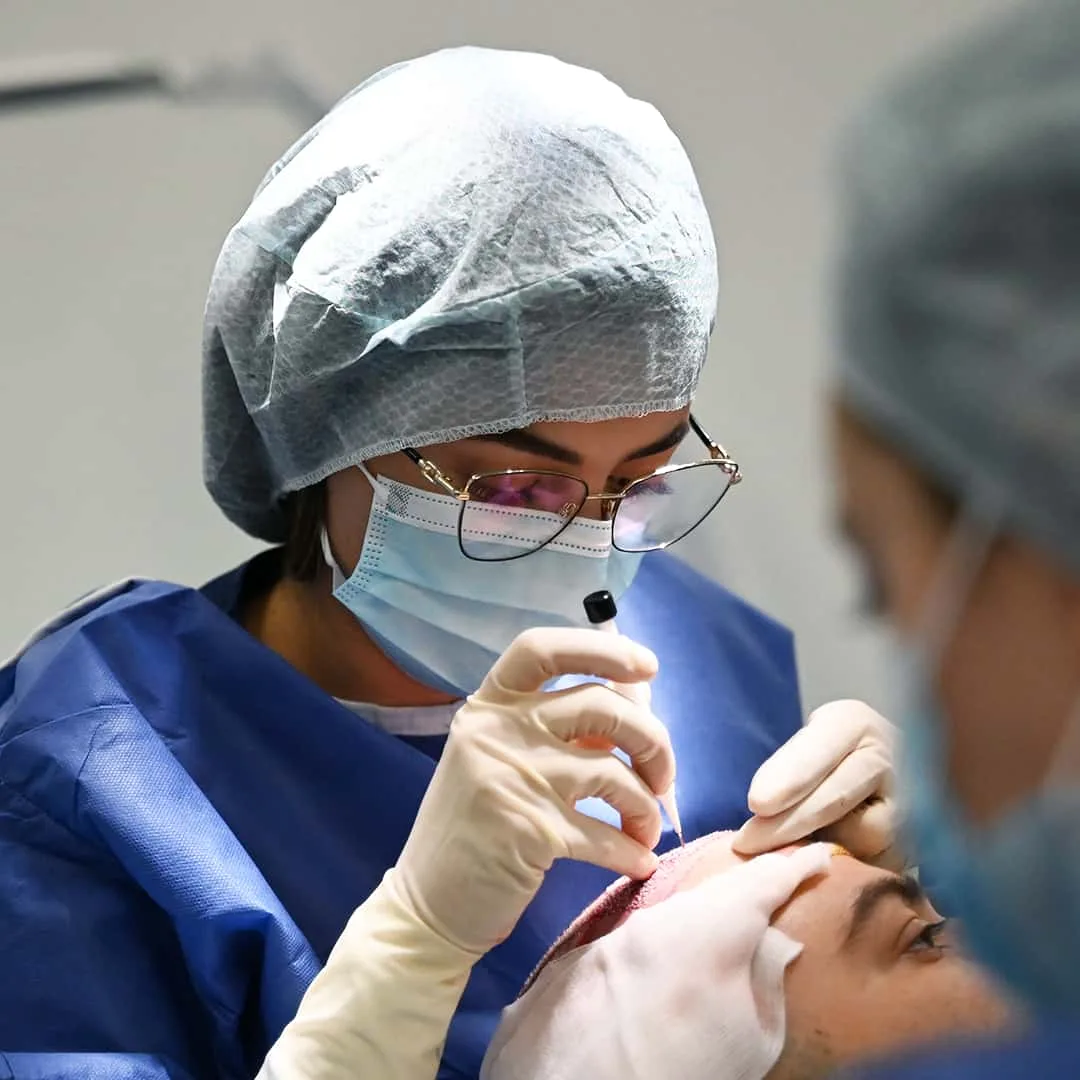
A scar repair hair transplant restores hair coverage on visible scars across the scalp, including FUT strip scars, burns and post-surgical scars. The procedure carefully implants single follicular units into the compromised tissue using FUE extraction and high-density placement to camouflage the scar permanently.
| Scar Classification | Clinical Characteristics | Surgical Approach and Viability |
|---|---|---|
| Atrophic Scar (Flat) | Depressed, thin skin, common in old FUT | High viability; requires DHI precision |
| Hypertrophic Scar (Raised) | Thick, elevated collagen bands | Moderate viability; may require flattening first |
| Keloid Scar | Spreading, highly reactive tissue | Low viability; surgery often contraindicated |
| Burn Scar | Variable thickness, severely compromised blood | Staged sessions required for gradual density |

Strip-method donor scars, accident-related scalp scars, and burn-related alopecia leave linear or patchy areas where hair no longer grows. A scar repair hair transplant restores coverage by implanting individual follicles directly into the scar tissue using single-graft DHI placement. The Choi pen allows precise depth control, which is essential because scarred skin has a different vascular profile and lower oxygen perfusion than healthy scalp.
Hairtec evaluates each scar for thickness, mobility, and blood supply before deciding on graft density. Conservative first-pass placement is followed by a second session if a higher density is needed once the first round of follicles confirms reliable survival.
Extraction for any scar repair must always utilize the Follicular Unit Extraction method. The primary clinical goal is to correct a scar, making the creation of another linear incision using outdated strip harvesting methods entirely counterproductive. The medical team extracts individual follicles from the healthy donor zone at the back of the head using micro motor punches.
Because a scar repair typically requires a lower volume of grafts than a full baldness treatment, the extraction phase is highly targeted. The medical team often selects specific hair calibers to match the area surrounding the scar. For example, repairing a face lift scar near the temple requires fine, single hairs, while repairing an FUT scar at the back of the head requires thicker, multi hair units to match the surrounding native hair.
For implanting into dense fibrous tissue, Direct Hair Implantation is universally considered the most effective clinical option. The surgeon uses a specialized Choi Implanter Pen to execute the placement.
Traditional slit techniques use steel blades to cut channels into the scalp before implantation. Cutting into tough scar tissue with blades often causes unpredictable tearing, excessive trauma, and poor depth control. The sharp, cylindrical tip of the DHI pen pierces the rigid collagen smoothly. It allows the surgeon to control the exact depth of the follicle, preventing it from being pushed too deep into the fibrous band or left too shallow.
Because the biological environment of a scar is hostile, a surgical intervention requires active cellular support. Platelet Rich Plasma therapy is heavily integrated into the scar repair protocol.
PRP utilizes highly concentrated growth factors isolated directly from the patient own blood. A sample is drawn and processed in a medical centrifuge to separate the nutrient rich plasma. When injected directly into the scar tissue during the transplant, PRP stimulates angiogenesis. This is the biological formation of new blood vessels. Increasing the blood flow to the avascular zone significantly improves the survival rate of the newly implanted grafts and accelerates tissue healing.
The primary motivation for seeking scar repair is privacy and aesthetic discretion. Most patients with visible scalp scars rely on wearing their hair long to hide the damaged area from public view. Asking a patient to shave their entire head for the procedure exposes the very scar they are trying to fix, which creates a major psychological barrier.
Because scar revisions typically require a low volume of grafts, the procedure is highly compatible with unshaven clinical protocols. Medical teams can successfully execute the entire surgery without altering the patient current hairstyle.
Patients with linear scars from previous Follicular Unit Transplantation procedures are the most common candidates for unshaven repair. Older hair transplant methods involved cutting a long strip of skin from the back of the head, leaving a permanent, visible line that prevents the patient from wearing short haircuts.
To harvest the new donor hair discreetly, the team shaves a very small, horizontal window at the lowest part of the neck. The long hair resting above falls naturally over this window, completely hiding the extraction site. The surgeon then parts the hair around the linear FUT scar and implants the follicles directly into the white line. The patient leaves the clinic with the scar completely hidden by their own hair, resulting in zero social downtime and maximum privacy.

Financial planning is a core part of the medical process. Patients actively researching the hair transplant scar repair cost notice that pricing models differ significantly from standard hair restoration packages. A scar repair is not priced strictly by volume because the surgical complexity is much higher.
The clinical fee reflects the advanced skill required to operate on fibrous tissue successfully. Using advanced DHI implanter pens, conducting complex unshaven extractions, and integrating biological PRP therapies all influence the final financial investment. Operating on a scar requires a slower surgical pace, meaning the medical team spends more time per graft than they would operating on healthy skin.
Many individuals in the UK face premium rates for reconstructive hair surgery. Clinics in central London often price scar repairs heavily per individual graft, which inflates the cost significantly even for minor corrections. To bypass these high localized costs, patients frequently travel to regulated facilities in Europe that offer comprehensive packages rather than counting individual hairs.
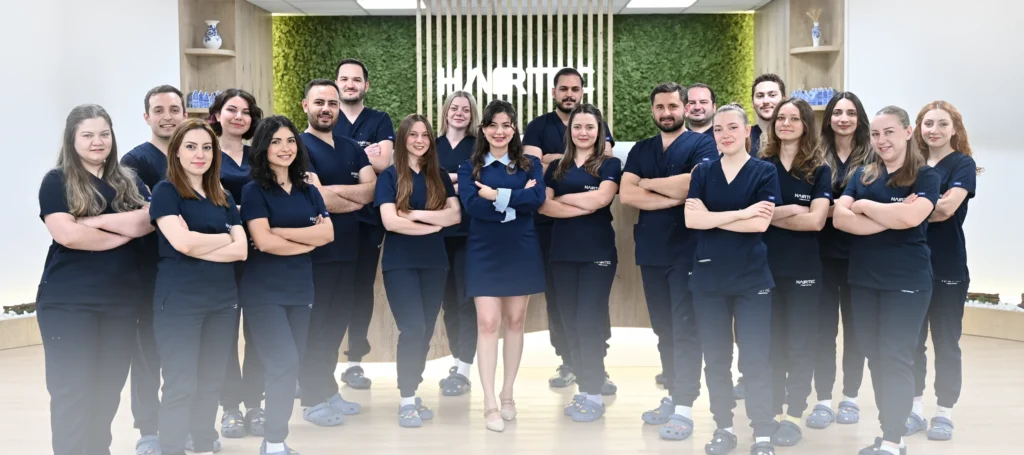
Executing a flawless scar reconstruction requires a highly disciplined clinical environment. Hairtec operates under the stringent medical regulations of the Dutch healthcare system in Delft, Netherlands. This framework prioritizes patient safety, strict facility sterilization, and data driven aesthetic results tailored specifically for complex tissue repair.
The medical team at Hairtec focuses heavily on follicle viability. Because scar tissue is less forgiving than healthy skin, keeping the extracted grafts alive before implantation is a primary clinical concern. Hairtec utilizes advanced cooling solutions to keep the extracted grafts in an optimal metabolic state. Furthermore, the mandatory inclusion of PRP therapy during the procedure verifies that the scarred recipient area receives immediate biological support.
Hairtec caters specifically to an international demographic. For patients traveling from London and other UK cities to the Netherlands, the clinic provides a fully managed logistical pathway. Upon arrival, patients are supported with VIP airport transfers and premium accommodation. This closed loop system allows the patient to undergo a complex unshaven scar repair, receive immediate medical aftercare, and return to the UK in a highly controlled, stress free environment.
Hair does not grow back naturally on scar tissue because the original follicles were permanently destroyed by the trauma or previous surgery. However, new transplanted hair can grow and thrive in a scar if the procedure is executed using strict clinical protocols and advanced implantation tools to bypass the thick collagen.
The exact price depends heavily on the physical size of the scar and the specific surgical method required. Because it involves complex avascular tissue, it is often priced higher per graft than standard procedures. A thorough clinical consultation and digital mapping are required to provide an exact quote based on the specific tissue damage.
Yes. Follicular Unit Extraction is the primary and most effective method used to repair outdated FUT linear scars. The surgeon extracts follicles individually from healthy areas and implants them directly into the strip scar to break up the harsh white line and hide it permanently.
The surgery is performed under advanced local anaesthesia. You will feel no pain during the extraction or the implantation phases. Mild tenderness around the scar tissue during the first 48 hours is completely normal and is managed easily with standard clinical medication provided by the medical team.
The number varies greatly depending on the physical dimensions of the scar. A standard FUT linear scar may require 400 to 600 grafts, while smaller surgical scars from trauma may only need 100 to 200 grafts. Scars require lower density packing than healthy skin to verify graft survival.
The survival rate of grafts in scar tissue is generally lower than in healthy skin due to the reduced blood supply. However, by using DHI pens and PRP therapy, highly experienced medical teams regularly achieve permanent survival rates between 70 and 80 percent in scarred areas.
Yes. It is a highly common procedure for women seeking to camouflage face lift scars around the temples or scars resulting from previous brow lift surgeries. Medical teams utilize unshaven techniques to maintain the patient current hairstyle while repairing the temporal boundaries seamlessly.
No. Because the graft count is relatively low for most scar revisions, this specific procedure is highly suitable for unshaven protocols. Only a small donor window at the back of the head is shaved, which is easily covered by your remaining long hair immediately after the surgery.
The timeline is very similar to a standard transplant. The newly implanted hair will shed within the first month. Permanent new hair growth begins around the third month. The hair will continue to thicken and mature over the next twelve months as it adapts to the scar tissue.
Yes. Face lift scars located around the ears or within the temporal hairline are frequently camouflaged using hair transplants. The medical team uses very fine, single hairs extracted from the nape of the neck to rebuild the soft temporal boundary naturally and hide the surgical line.