Hairtec Hair Transplant Clinic

The frontal hairline is the most visible aspect of hair loss and plays a critical role in framing the face. A receding or thinning hairline often leads to a premature aged appearance and a loss of facial symmetry. A hairline hair transplant provides a permanent medical solution by relocating healthy follicles to the frontal scalp to restore a natural and dense boundary.
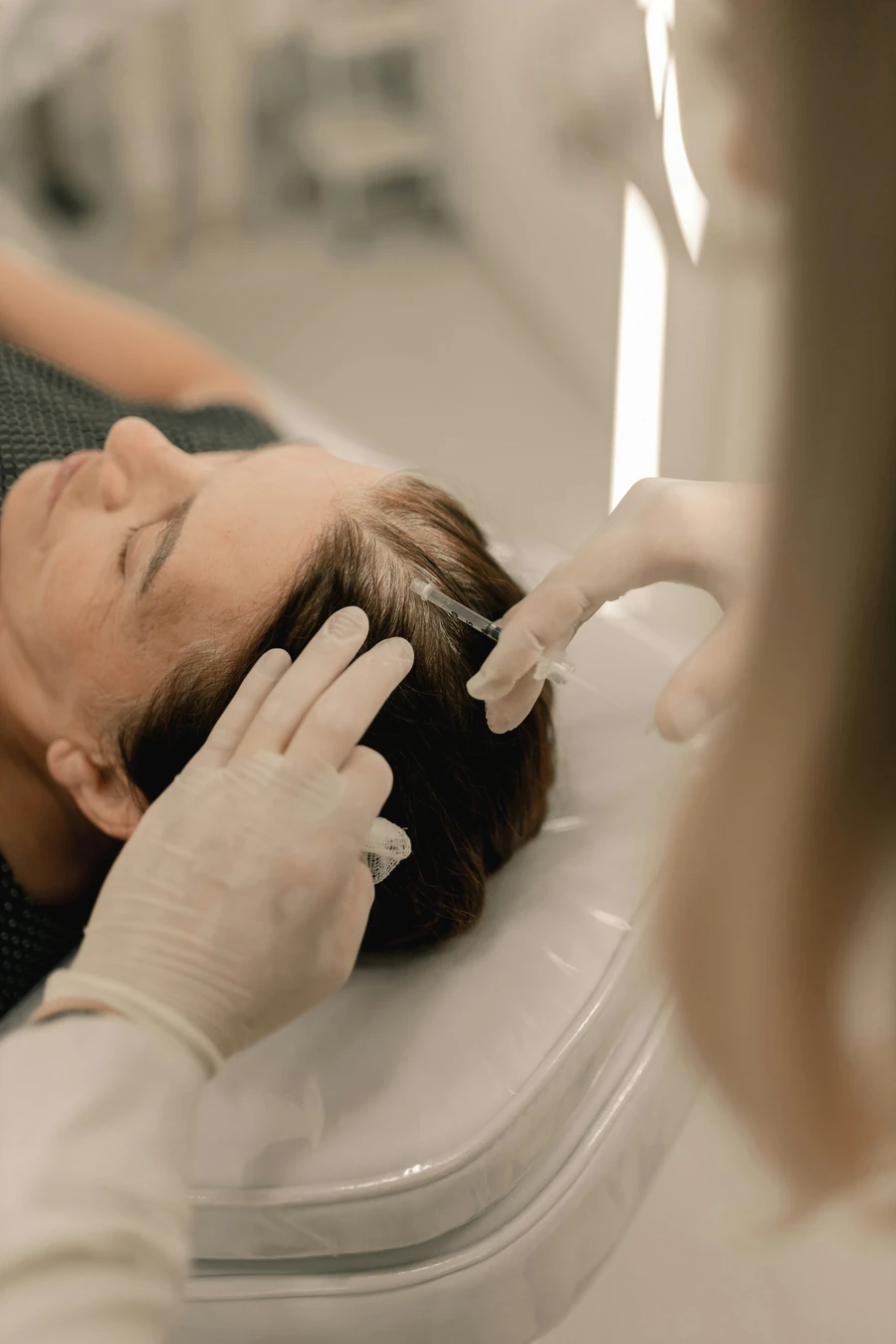
A hairline hair transplant is a precision DHI procedure that redesigns the frontal hair zone to restore a natural, age-appropriate framing of the face. The technique uses single-graft Choi pen placement to recreate the irregular non-linear pattern of a healthy native hairline.
Frontal restoration requires a high level of technical discipline. Because the hairline is viewed directly from the front, the exit angles, graft selection, and placement patterns must be executed with absolute accuracy. Failure to follow these anatomical rules results in an unnatural appearance that is difficult to correct.
Many individuals facing frontal thinning ask can a hair transplant fix hairline issues effectively. The clinical answer is a definitive yes, provided there is a stable donor area and a realistic surgical plan. Modern techniques allow for the complete reconstruction of the frontal edge, covering patches where hair has stopped growing due to genetics.
Success in fixing a hairline depends on the medical team’s ability to create a transition zone. A natural hairline is not a solid straight line but a soft, graduated boundary. By placing single hair follicles at the very front and increasing density behind them, the surgery effectively fixes the recession without leaving visible signs of medical intervention.
Clinical objectives for a hairline fix include several technical parameters.
| Frontal Problem | Clinical Solution | Aesthetic Result |
|---|---|---|
| Receding Temples | Targeted FUE or DHI | Restoration of a youthful frame |
| Frontal Thinning | Density reinforcement | Fuller and opaque hairline |
| High Forehead | Surgical hairline lowering | Improved facial proportions |
| Scarring | Implantation into tissue | Effective camouflage of trauma |
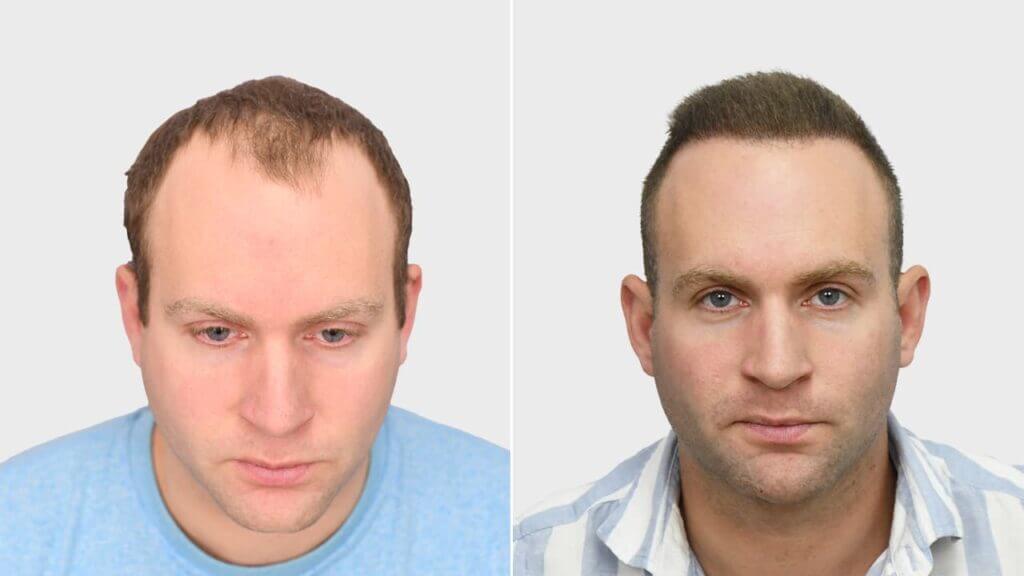
The hairline defines facial proportion, frames the upper face, and signals age more than any other part of the scalp. A receding or asymmetric hairline can shift the entire visual balance of the face. Hairline restoration at Hairtec uses single-graft DHI implantation to rebuild the front edge with natural softness and irregularity that mimics how hair actually grows.
The design phase considers forehead height, eyebrow position, and the curvature of the existing temples. Each follicle is placed at a calculated angle so the new hairline lays flat and grows in the same direction as native hair.
Identifying the best hair transplant for receding hairline requires looking beyond the extraction method. While FUE and DHI are the primary tools, the clinical success is determined by how the follicles are distributed. A receding hairline usually presents a specific pattern of loss that demands a customized implantation strategy.
The first few millimeters of a natural hairline consist exclusively of single hair follicles. Using multi hair grafts in this area creates a harsh and artificial look. The medical team at Hairtec uses high powered microscopy to isolate the finest single hairs for the very front, gradually moving toward thicker grafts as they progress toward the mid scalp.
The criteria for selecting these frontal grafts involve specific biological factors.
Facial skin is different in texture and thickness compared to the crown. The entry points for a hair transplant hairline must be shallow and angled forward. If the follicles are placed too deeply or at a vertical angle, they will grow in a way that is difficult to style and visually jarring. The medical team calculates the exact depth for every graft to maintain skin health.
A common mistake in low quality procedures is creating a perfectly straight line across the forehead. Natural hairlines are inherently irregular. A hair transplant zig zag hairline technique is used to replicate this biological irregularity. This does not mean a literal “zig zag” shape but rather a series of micro irregularities that break up the line.
By placing follicles in a non linear, scattered pattern, the surgeon provides a natural reflection of light off the hair. This prevents the “wall of hair” effect that often characterizes poor transplants. This technical nuance is what separates a medical reconstruction from a standard cosmetic procedure.
The visual benefits of a non linear placement strategy include several aesthetic improvements.
Patients with a naturally high forehead or significant recession often ask can hair transplant lower hairline to improve their facial proportions. Lowering a hairline involves a strategic recalculation of the facial thirds. The medical team uses forensic mapping to determine where the new hairline should sit without appearing too low or aggressive.
Lowering the hairline requires a high volume of grafts because the density must be sufficient to hide the skin completely. The surgeon must also consider the future of the patient’s hair loss. Lowering a hairline too far in a young patient can lead to an unnatural look if the hair behind the transplant continues to recede over the decades.
Clinical considerations for lowering the hairline include the following rules.
A hair transplant does not stop the underlying process of hair loss. When patients ask does hair transplant stop receding hairline, the answer is no. The transplanted follicles are permanent, but the original, non transplanted hair behind them may still be subject to genetic thinning.
To prevent a “gap” from forming between the new hairline and the receding native hair, Hairtec often recommends a stabilization protocol. This might include clinical treatments or non surgical therapies designed to maintain the health of the existing hair. A successful long term result requires a combination of surgical restoration and ongoing medical management.
Maintenance strategies for long term hairline stability often include several clinical steps.
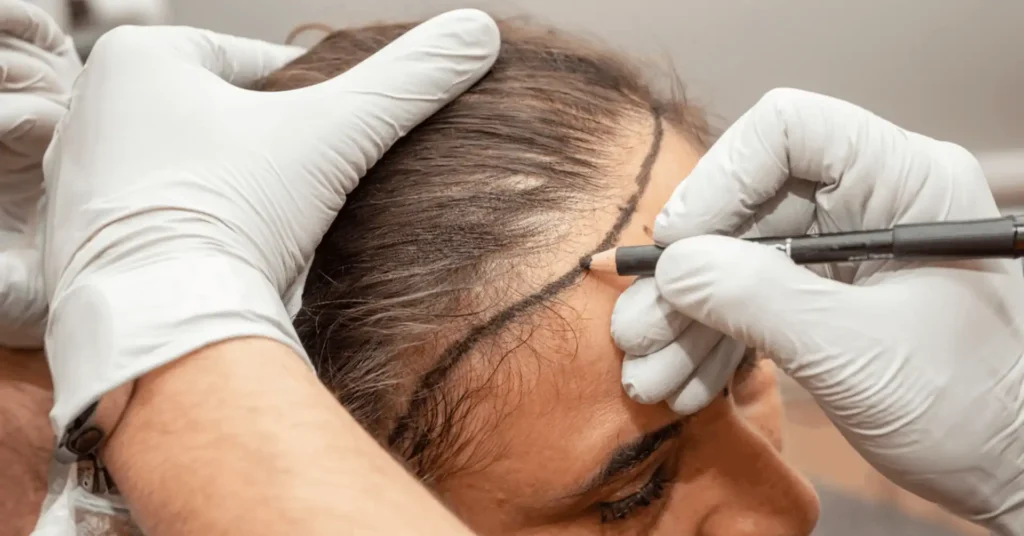
The performance of a frontal transplant is measured by its invisible integration. Modern FUE and DHI methods have allowed for much faster recovery times and higher survival rates. Because the frontal scalp has an excellent blood supply, the grafts typically take root very quickly.
Direct Hair Implantation (DHI) is often preferred for hairline work. The Choi Implanter Pen allows for precise control over the exit angle and direction, which is essential for the transition zone. This method also minimizes the time the follicle spends outside the body, protecting its viability.
For patients requiring a significant lowering of the hairline or coverage of deep receding temples, FUE remains a robust and efficient choice. Using sapphire blades for channel opening allows for extremely fine incisions that heal rapidly and leave no visible marks on the forehead area.
Factors that determine the success of a hairline restoration session include the following items.
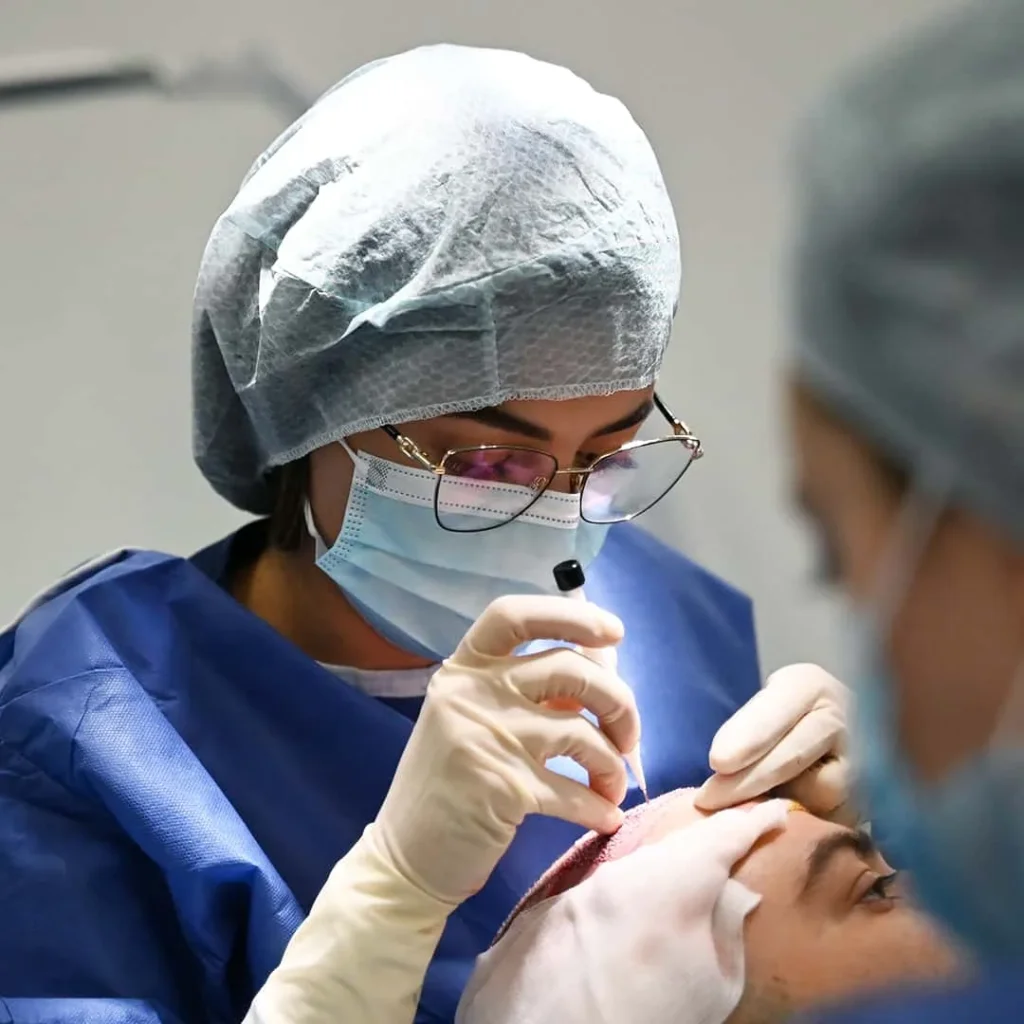
Frontal restoration requires a level of medical discipline that is synonymous with the Dutch healthcare system. Hairtec operates under these strict regulations in Delft, providing a data driven and safe protocol for every hairline hair transplant. The clinical facility focuses on the biological stability of every graft moved to the frontal scalp.
Every hairline hair transplant performed at Hairtec utilizes advanced preservation solutions to keep follicles in optimal condition. This rigorous approach maintains the health of the grafts while they are outside the body. Hairtec clinical teams follow standardized Dutch medical pathways to reduce the risk of inflammation and improve growth rates.
Quality indicators for Dutch medical hair restoration include several key metrics.
Many individuals travel from London and other UK cities to the Netherlands to access the medical excellence offered by Hairtec. The clinic manages this process with professional care, providing a structured medical experience from the first digital diagnostic to the final post operative checkup.
While it is possible, medical teams are often cautious with young patients. It is important to wait until the hair loss pattern has stabilized to verify the design remains natural as the patient ages. If the hair loss is aggressive, a transplant might be delayed until it can be combined with a stabilization plan.
Initial growth starts around three to four months. However, it takes about nine to twelve months for the hair to gain its full thickness and for the transition zone to look completely natural. The final texture of the hair usually stabilizes after the first year.
No. The zig zag technique refers to micro placements that are only visible under high magnification. To the naked eye, it simply looks like a soft, natural hairline that blends with the forehead. It prevents the artificial look of a straight line.
Yes. Many patients use the procedure to correct an asymmetrical hairline caused by genetics or previous injuries. The surgeon designs a new blueprint to balance the facial features and provide a symmetrical frame for the face.
A standard restoration of the temples and frontal edge usually requires between 1500 and 2500 grafts. The exact number depends on the degree of recession and the desired level of density. Total coverage for a very high forehead may require more follicles.
Using micro punch tools and sapphire blades verifies that the entry points are microscopic. These heal as tiny dots that are invisible once the hair begins to grow. The use of advanced medical technology prevents the large scars associated with older methods.
Yes, after the initial healing period of about two weeks, the new follicles are secured. After the first month you can resume styling, washing, and using regular hair products without restrictions.
Follicles are harvested in a scattered pattern to maintain donor density. The medical team at Hairtec evaluates the donor capacity during the initial diagnostic phase to verify that the extraction will not cause visible thinning at the back of the head.
Placing the hairline too low or too straight are the most frequent errors. A successful design must account for the natural aging process and the patient facial structure. Using multi hair grafts at the leading edge is another common mistake that leads to an unnatural look.
The biological healing time is the same as other areas, but because the face is more visible, some patients prefer to take five to seven days off work until the minor redness subsides. Swelling in the forehead is common for the first 48 hours but resolves quickly with proper care.
The design phase is a collaborative process. The surgeon provides guidance based on facial proportions, but the patient has the final word on the height and arc of the new line. We use specialized marking tools to show you the proposed hairline before surgery begins.
DHI offers more control over the implantation angle, while FUE is highly efficient for covering larger areas of recession. Hairtec clinical teams recommend the best method based on your hair type and the specific goals of your hairline reconstruction.
Yes. The follicles are moved from the back of the scalp and retain their original growth properties. This means they will grow at a normal rate and will require regular haircuts just like the rest of your hair.
Yes. Women often use this procedure to lower a naturally high hairline or to restore density after traction alopecia. The technical approach is similar, though the design often follows more rounded and soft curves compared to a male hairline.
Maintaining a stabilization protocol is essential for long term success. If further recession occurs in the native hair behind the new hairline, a second session may be planned to fill the new areas of thinning and maintain a consistent look.