Hairtec Hair Transplant Clinic

The first 72 hours are the most critical window for the survival of the new follicles. Walking out of the clinic with a restored hairline feels triumphant, but the physiological reality is highly delicate. During the first 3 days after hair transplant surgery, the newly implanted grafts are essentially sitting loose within tiny micro-channels. They have not yet anchored into the tissue.
One wrong move, a sudden bump, or a heavy rush of blood pressure will literally push the grafts out of the scalp. This specific window requires absolute physical caution. The Hairtec clinical protocol removes the guesswork from this critical phase, providing exact rules for sleeping, flying, and managing post-operative swelling safely.
Patients frequently panic when looking in the mirror during the initial recovery. The scalp looks red, slightly bruised, and highly medical. Knowing exactly what happens on each specific day prevents unnecessary anxiety and helps patients track their own healing progress accurately.
The scalp remains heavily numbed from the local anaesthesia. The donor area at the back of the head is usually covered with a medical bandage. Patients will notice a significant amount of oozing. This fluid is a mixture of natural blood and the sterile saline solution injected during the procedure. The new grafts look like tiny, dark red dots across the recipient area.
Gravity begins pulling the surgical fluids down from the top of the scalp toward the face. Waking up on the second day with a slightly puffy forehead or swollen eyelids is completely normal and expected. The oozing from the back of the head usually slows down significantly or stops entirely by the end of this day. The numbing sensation starts to fade, replaced by a feeling of severe tightness.
The tiny puncture wounds begin to close. The dark red dots turn into hard, dry scabs. As the skin heals, a strong itching sensation kicks in. This is the biological sign of tissue repair. Day 3 is also crucial because it marks the removal of the donor bandage and the initiation of the first clinical washing routine.
Sleeping is the most stressful part of the first 3 days after hair transplant procedures. Flat horizontal sleeping causes a massive rush of blood to the head, creating extreme pressure that forces the unanchored roots out of the skin. It also worsens facial swelling dramatically.
Patients must prepare their sleeping environment before returning from Delft. The upper body needs to remain elevated at a strict 45-degree angle. Stacking two or three firm pillows creates the right incline.
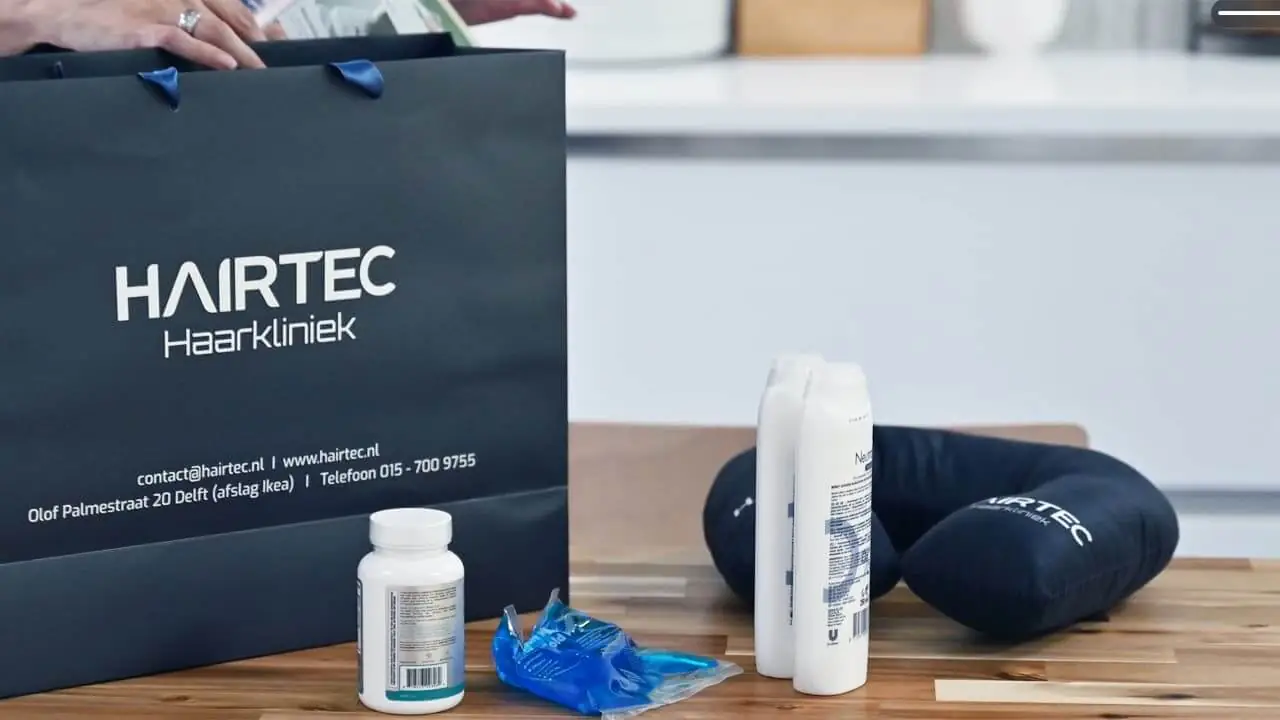
Using an airplane travel pillow is mandatory. Placing the neck inside a U-shaped travel pillow stops the head from rolling left or right during deep sleep. This prevents the newly implanted temporal or hairline grafts from crushing against the mattress. Because the donor area will leak fluids during the first two nights, placing a dark towel over the pillows protects the bedding from permanent stains.
Protecting the fresh grafts requires a temporary but massive lifestyle shift. The rules for after hair transplant care during this three-day window are non-negotiable.
The table below outlines the strict behavioral limits imposed by the medical team.
Action / Habit | Clinical Rule for First 3 Days | The Medical Reason |
Bending Over | Strictly Prohibited | Bending to tie shoes forces blood to the head, creating pressure that pops grafts out. |
Sleeping Position | 45-Degree Angle Only | Sleeping flat causes severe facial swelling and risks crushing fragile roots. |
Hydration | 3 to 4 Litres of Water | Flushing the system dilutes the anaesthesia and forces surgical fluids out faster. |
Clothing Choices | Button-down Shirts Only | Pulling a tight jumper over the head causes physical friction, destroying the hairline. |
Sneezing / Coughing | Keep the Mouth Open | Keeping the mouth open reduces the internal cranial pressure caused by a sneeze. |
Pain is rarely the primary complaint for most patients. The advanced local anaesthesia protocols used at the Delft facility keep the scalp highly comfortable. Individuals easily manage the mild post-operative tightness with basic over-the-counter painkillers provided in the clinical aftercare kit.
Swelling requires a more tactical approach. To minimize the puffy face effect, patients must apply cold compresses. However, ice packs must never touch the transplanted area. Placing ice directly on the new grafts restricts blood flow and kills the vulnerable follicles instantly. Ice packs should only be applied directly to the forehead and the cheekbones for ten minutes at a time.
For corporate professionals and London residents, getting home safely is a major logistical hurdle. Flying immediately after the procedure is completely safe, provided the patient stays hyper-aware of the physical surroundings.
Cabin pressure changes at 30,000 feet do not negatively impact the healing follicles. The real danger is physical trauma. Navigating crowded airports like Heathrow or Gatwick requires treating the head like fragile glass.

During day zero, day one, and day two, the recipient area is strictly “no-touch”. Patients keep the grafts hydrated by spraying the area with a sterile saline solution every few hours.
The 3 days after hair transplant mark the first official wash. This initial wash removes dried blood, neutralizes the surgical environment, and begins the process of softening the newly formed scabs safely. The Hairtec protocol for this first wash is highly specific.
For women or men with long native hair, tipping the head backward slightly in the shower prevents heavy water pressure and shampoo runoff from hitting the delicate recipient zone.
Physical trauma is the biggest risk during the unanchored phase. If a graft is completely dislodged, the patient will notice immediate and continuous bleeding from that specific spot. A minor bump without bleeding usually means the root is still safe beneath the skin. Patients must contact the Hairtec VIP support line immediately if sudden bleeding occurs.
Yes, but posture is critical. Looking down at a smartphone bends the neck and forces blood into the forehead, worsening the post-operative swelling dramatically. Patients must hold their devices at eye level to keep the neck perfectly straight and relieve cranial pressure.
Patients should strictly avoid caffeine for the first 48 to 72 hours. Coffee and energy drinks increase the heart rate and spike blood pressure, which significantly elevates the risk of early bleeding from the fresh micro-channels.
Focus on a low-sodium, high-protein diet. High salt intake causes the body to retain water, significantly worsening facial and forehead swelling. High-quality protein accelerates cellular healing and provides the necessary building blocks for future follicle growth.
This is completely normal and not a sign of surgical failure. The clinic provides absorbent medical pads to place over the neck pillow. The fluid on the pillow is mostly the injected sterile saline and local anaesthesia draining out of the tiny extraction wounds.
No. Standard headwear is incredibly dangerous during the first 72 hours. A sudden shift of the fabric will physically rip the grafts out. Patients must travel with the scalp completely exposed or use only the specific, oversized medical covering provided by the clinical team.
Exposure to direct sunlight or heavy British rain is highly detrimental. UV rays damage the unhealed tissue and cause permanent pigmentation changes, while rainwater carries pollution that causes severe infections. Patients must stay indoors or use a wide umbrella without letting it touch the scalp.
Sweating is strictly prohibited during the initial 72 hours. Sweat introduces natural skin bacteria into the open micro-channels and increases the risk of graft failure. Patients must keep their recovery environment cool and completely avoid hot showers or saunas.
Itching is a standard biological response as the extraction wounds begin to close. Scratching the back of the head introduces dirt and delays healing. Applying the clinical panthenol lotion hydrates the skin and significantly reduces this temporary physical discomfort.
Patients must strictly consume only the medications provided in the 2026 Hairtec aftercare kit. Blood-thinning painkillers like Ibuprofen or Aspirin, along with heavy multivitamin supplements, increase the risk of bleeding and compromise the newly implanted follicles.
Remote work is possible, provided the patient maintains perfect posture. Bending the neck to look down at a laptop screen on a kitchen table forces fluid into the face. Using a raised monitor at eye level keeps the cranial pressure completely stable.
Every step toward a fuller head of hair starts with good advice. Schedule a free, no-obligation consultation and find out which treatment is right for you.
A personal consultation with our specialists to discuss your needs and options.
A detailed analysis of your scalp and hair follicles to determine the right approach.
The chosen hair transplant technique is carefully performed by our experienced team.
Professional support after your treatment to ensure optimal recovery and lasting results.