The evolution of follicular unit extraction has led to the development of specialized surgical tools designed to minimize tissue trauma and improve graft survival rates. The sapphire fue hair transplant method represents a technical refinement of the traditional extraction and implantation process. By replacing standard surgical steel blades with micro blades made from synthetic sapphire, medical teams achieve a higher level of precision during the channel opening phase of the surgery.
Individuals researching advanced restoration often ask what is sapphire fue hair transplant to understand how it physically differs from older techniques. The term refers to a specific variation of Follicular Unit Extraction where the recipient channels are created using blades cut from synthetic sapphire gemstone.
The application of sapphire in surgery is not for aesthetic appeal but for the unique physical properties of the material itself. Synthetic sapphire is created from aluminum oxide and ranks just below diamonds on the hardness scale. These blades are manufactured into a sharp V shape, allowing the surgeon to create much smaller and more accurate channels than those possible with traditional U shaped steel blades.
Smaller incisions mean that the follicles can be packed much closer together without compromising the blood supply of the scalp. This results in a more natural and exceptionally dense appearance once the hair fully matures.
Surgical steel can develop microscopic irregularities, bends, or dull edges after repeated contact with human skin tissue. Synthetic sapphire maintains a perfectly smooth and sharp edge throughout the entire duration of a long surgical session.
Patients asking what is fue sapphire are usually focused on the physical outcomes and the recovery process of the surgery. The clinical benefits of utilizing gemstone blades extend far beyond just the final aesthetic density. The precision of the sapphire blade leads to a much cleaner surgical field, which has direct biological benefits for the patient.
Less physical trauma to the scalp means the body’s natural inflammatory response is significantly reduced. Patients experience far less swelling in the forehead and periorbital areas. The sharp, clean cuts of the sapphire gemstone cause almost zero vascular damage, resulting in minimal bleeding during the channel opening phase.
Faster closing of the micro incisions reduces the window of time where the scalp is vulnerable to external contaminants, dropping the risk of infection to near zero when proper aftercare protocols are followed.
Because the sapphire blade is so fine, the surgeon can replicate the natural spiral and whorl patterns of the human hair with absolute accuracy. This level of control is particularly important for rebuilding the crown vertex and the frontal hairline, where the exit angle of the hair is highly visible to the naked eye. The hair will grow perfectly flat against the scalp if the sapphire blade is angled correctly, avoiding the unnatural, vertical growth seen in older transplant methods.
The clinical question of what is sapphire fue method involves looking at the entire surgical workflow from extraction to final placement. The procedure is divided into three distinct and highly regulated phases. The “Sapphire” designation specifically describes the critical second phase of the operation.
The extraction phase is identical to a standard advanced FUE procedure. The medical team utilizes a motorized micro punch tool, typically ranging from 0.6mm to 0.8mm in diameter, to isolate and remove individual follicular units from the donor area at the back of the head.
These harvested grafts are immediately sorted under high powered microscopy according to the number of hairs they contain. They are then submerged in a temperature controlled nutrient solution that mimics the body’s internal environment to maintain their viability while outside the scalp.
This is the defining stage of the sapphire fue method. The lead surgeon uses the gemstone blade to create the microscopic recipient sites where the new hair will be anchored. Because the blades are extremely fine, ranging from 1.0mm to 1.5mm in width, the incisions follow the natural angle and direction of the surrounding hair with absolute accuracy.
The sharpness of the tool allows for consistent depth across the entire recipient zone. The V shape of the blade makes it easier for the surgeon to set the exact exit angle for every individual hair. Minimal displacement of the surrounding skin tissue leads to less trauma, reduced bleeding, and a significantly lower risk of necrosis.
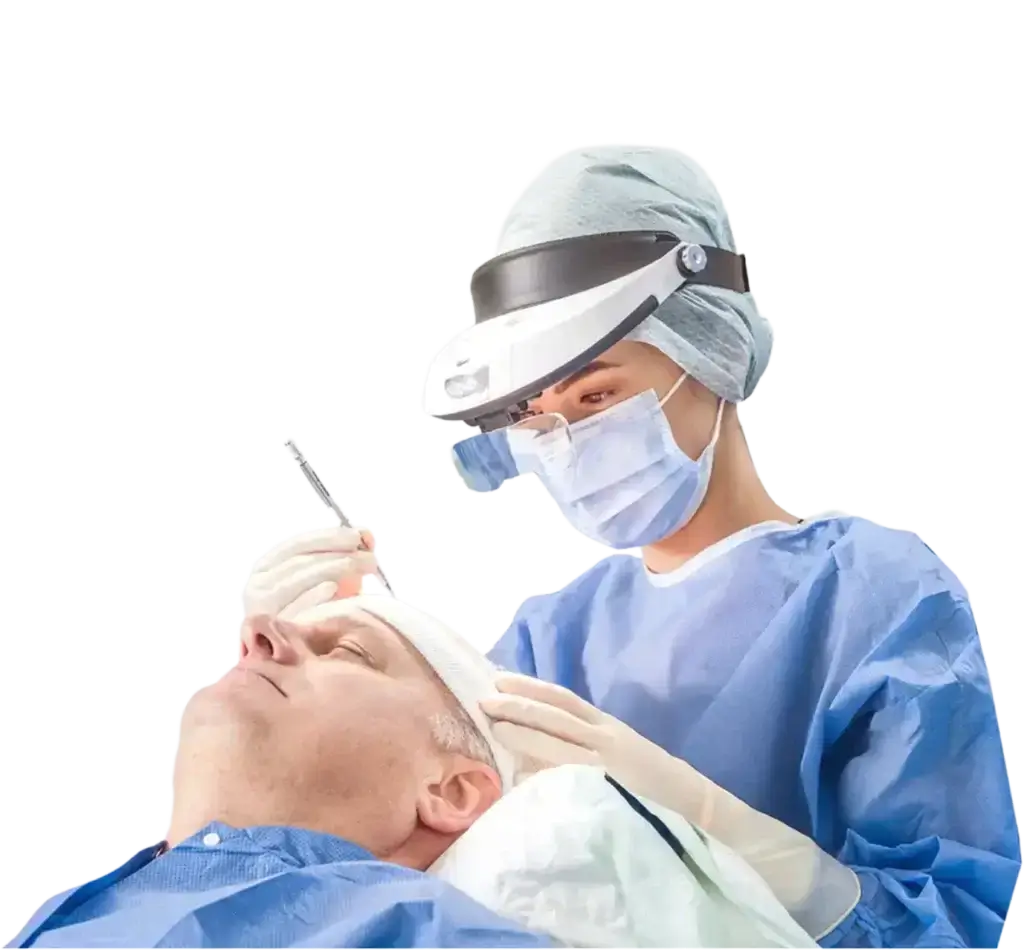
In the final phase, the extracted follicles are manually placed into the microscopic channels created by the sapphire blades. Medical technicians use specialized forceps to handle the grafts by the surrounding tissue, never touching the root itself. The geometric fit between the follicle and the V shaped channel is much tighter than in traditional methods, which helps the graft take root securely and rapidly establish a new blood supply.
The execution of high density hair restoration requires a level of medical discipline that is synonymous with the Dutch healthcare system. Hairtec operates under these strict national regulations in Delft, providing a highly structured and safe protocol for every sapphire fue hair transplant. The clinical facility focuses entirely on the biological stability of every graft moved to the recipient area.
Every surgical procedure performed at Hairtec utilizes brand new, individually sealed sapphire blades. This absolute adherence to single use technology eliminates the risk of cross contamination and verifies that the blade is at its maximum sharpness for every incision. The clinical teams follow standardized Dutch medical pathways to reduce the risk of tissue inflammation and maximize the final growth yield.
While the channels are being opened with the sapphire blade, the extracted follicles must be kept alive. Hairtec utilizes advanced preservation solutions, similar to those used in organ transplantation, to keep the follicles in an optimal metabolic state. This rigorous biological approach maintains the cellular health of the grafts while they are outside the body.
Many individuals travel from London and other major UK cities to the Netherlands to access the medical excellence offered by Hairtec. The clinic manages this international process with professional care, providing a structured medical experience from the first secure digital diagnostic to the final post operative checkup. VIP airport transfers and premium accommodation are integrated into the medical package to verify the patient remains in a stress free environment during the critical first days of recovery.
After your Sapphire FUE treatment it is important to follow the correct aftercare instructions. Doing so supports the recovery of your scalp and helps you achieve the best final result.
4-9 hours
After 2 days
After 5 days
You can go home the same day
First 10 days
After 2 months
Recommended to stay home for 1 week
After 2 days
After approximately 10 days
View before and after photos of results 6 to 12 months after the treatment below.
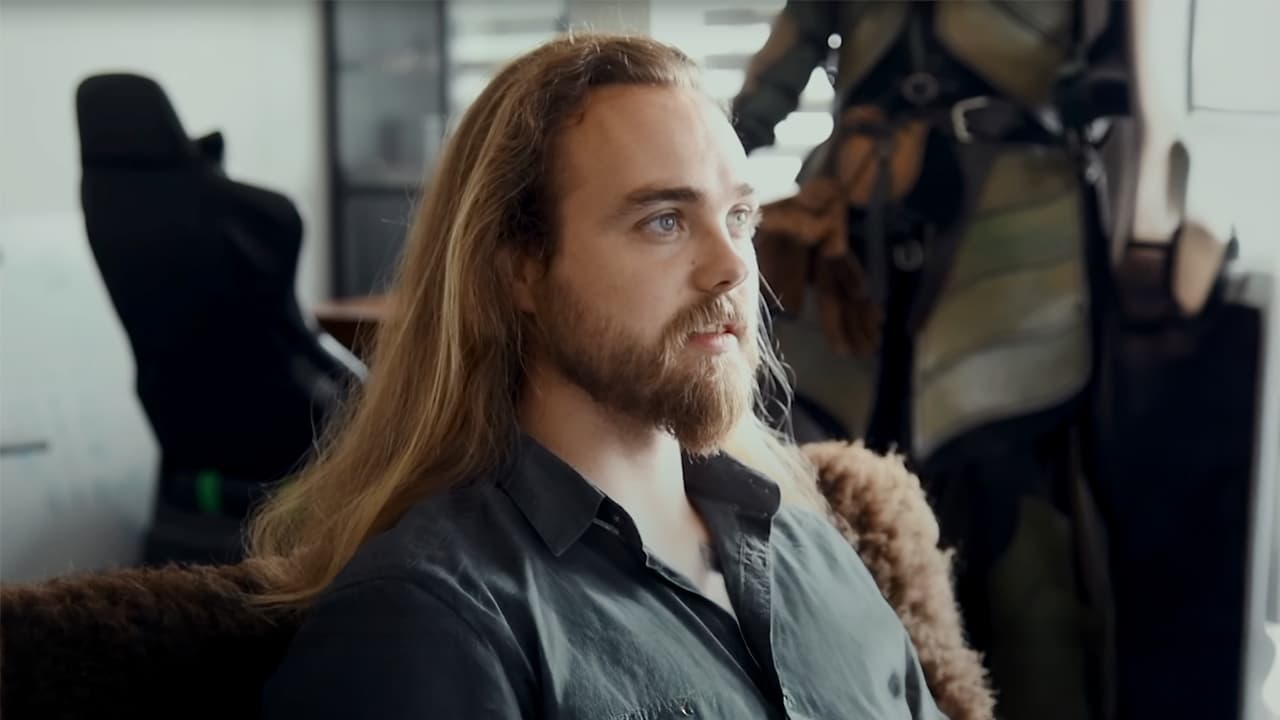
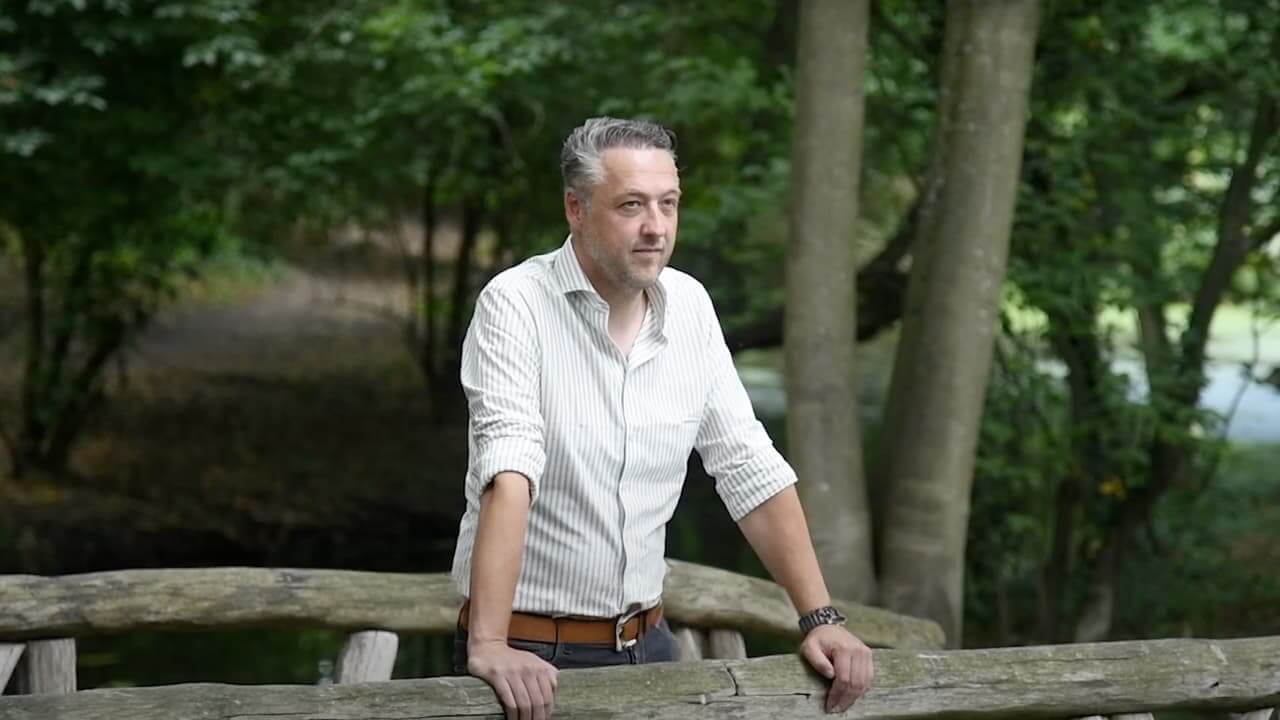
Below you can watch some of our patients sharing their experiences.
Investing in advanced facial and scalp restoration involves several distinct financial variables. The cost associated with this method is not arbitrary; it reflects the specific clinical resources required to execute the surgery safely.
The surgical use of synthetic gemstone blades increases the baseline operational costs for the clinic. These blades are precision engineered medical devices that require specific handling and sterilization protocols. Furthermore, the ability to pack grafts tightly together means that Sapphire FUE sessions often involve a much higher total graft count than standard procedures, requiring more time in the operating theater and a larger team of specialized surgical technicians.
Senior surgical oversight. Handling high density channel opening requires a lead surgeon with extensive anatomical knowledge and years of specific experience with gemstone tools.
Here you will find answers to the most common questions about the Sapphire FUE hair transplant.
It is a highly refined follicular unit extraction technique where the recipient channels in the bald areas are opened using micro blades made from synthetic sapphire gemstone instead of traditional surgical steel.
In the majority of clinical applications, sapphire fue is considered structurally superior because the gemstone causes significantly less tissue trauma, promotes faster healing, and allows the surgeon to achieve a much higher graft density.
Most patients see the post surgical redness and minor scabbing resolve completely within 7 to 10 days. The deep biological healing of the follicles and the complete maturation of the hair takes approximately 12 months.
Due to the specialized nature of the synthetic gemstone blades, the high graft counts involved, and the senior expertise required to manage the high density placement, the clinical investment is generally higher than traditional steel FUE.
Yes. The extreme precision of the sapphire blades makes them an excellent clinical choice for facial hair restoration, where mimicking the exact exit angles of natural beard hair is absolutely critical for a natural look.
The incisions made by the sapphire blade are microscopic. They heal as tiny, imperceptible dots that are completely invisible to the naked eye once the surrounding hair begins to grow.
Experienced medical teams can successfully extract and relocate 4000 or more grafts in a single daily session using this method, provided the patient has a sufficient and healthy donor area at the back of the head.
Yes. Synthetic sapphire is one of the hardest and sharpest materials utilized in modern medicine. Its edge does not dull or bend during contact with human tissue, far exceeding the performance of standard surgical steel.
The entire surgical procedure is performed under advanced local anaesthesia. While the session lasts for several hours, the patient remains fully awake but does not feel any pain during the extraction or the channel opening phases.
A successful hair transplant requires a genetically stable donor area. If you possess sufficient hair density at the back and sides of the head, the sapphire method can be effectively used to restore the frontal hairline and the crown areas.
A comprehensive medical assessment of your scalp health, hair caliber, and donor density is required to confirm if this high density method is the most appropriate surgical path for your specific pattern of hair loss.
Surgeons prefer sapphire instruments because they provide a much cleaner surgical field, generate less bleeding, and offer total control over the final aesthetic design and density of the transplanted hair.
When supported by proper clinical handling, advanced storage solutions, and strict patient adherence to aftercare protocols, graft survival rates in sapphire fue routinely exceed 90 percent.
The first medical wash is usually performed by the clinical staff at the facility 48 hours after the surgery. Following this, patients are provided with a specific, gentle washing protocol to follow at home for the first two weeks.
While many commercial clinics offer variations of this method, a significant number of UK patients actively choose to travel to the Hairtec clinical facility in the Netherlands to benefit from the higher Dutch medical standards and specialized surgical expertise.
Every step towards fuller hair starts with good advice. Schedule a free, no-obligation consultation and discover which treatment is right for you.
A personal conversation with our specialists about your wishes and options.
A detailed analysis of your scalp and hair follicles to determine the right approach.
The selected hair transplant technique is carried out carefully by our experienced team.
Professional guidance after your treatment for optimal recovery and lasting results.
You can reach us through the following options.