
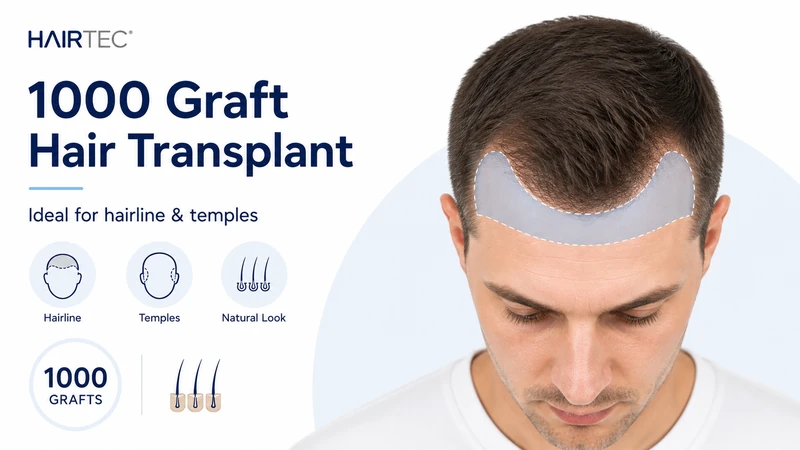
Hair restoration is a highly customized medical procedure. Not every patient requires a massive extraction of follicles to achieve a significant cosmetic improvement. A 1000 graft hair transplant is classified as a small to medium session, specifically designed for individuals in the early stages of hair loss or those looking to refine specific facial features. This volume translates to approximately 2000 to 2500 individual hairs, making it a highly targeted surgical intervention.
This specific graft count is frequently utilized to lower a naturally high forehead, rebuild receding temples, or add density to a thinning vertex. Because the number of follicles being moved is relatively low, the procedure demands extreme precision. The medical team must place every single graft strategically to maximize visual density without depleting the donor area.
What Coverage Does a 1000 Grafts Hair Transplant Provide
Understanding the physical coverage of 1000 grafts requires a basic knowledge of scalp anatomy. A healthy scalp naturally holds about 80 to 100 follicular units per square centimeter. A successful transplant aims to restore about 40 to 50 grafts per square centimeter to create an illusion of full density.
Based on this mathematical formula, a 1000 grafts hair transplant covers an area of approximately 20 to 25 square centimeters. The medical team allocates these follicles based on the patient aesthetic goals.
Restoring the Frontal Hairline
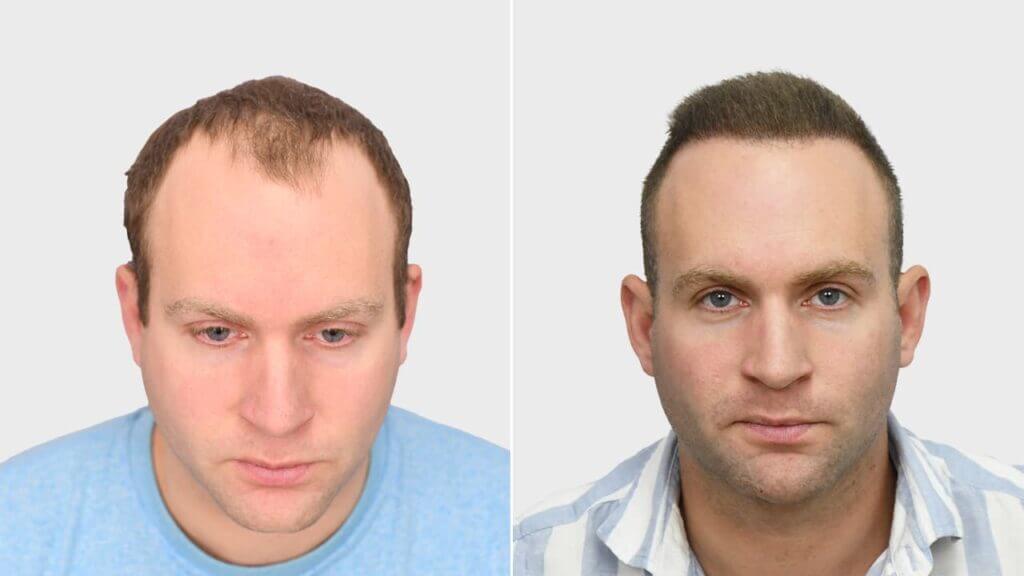
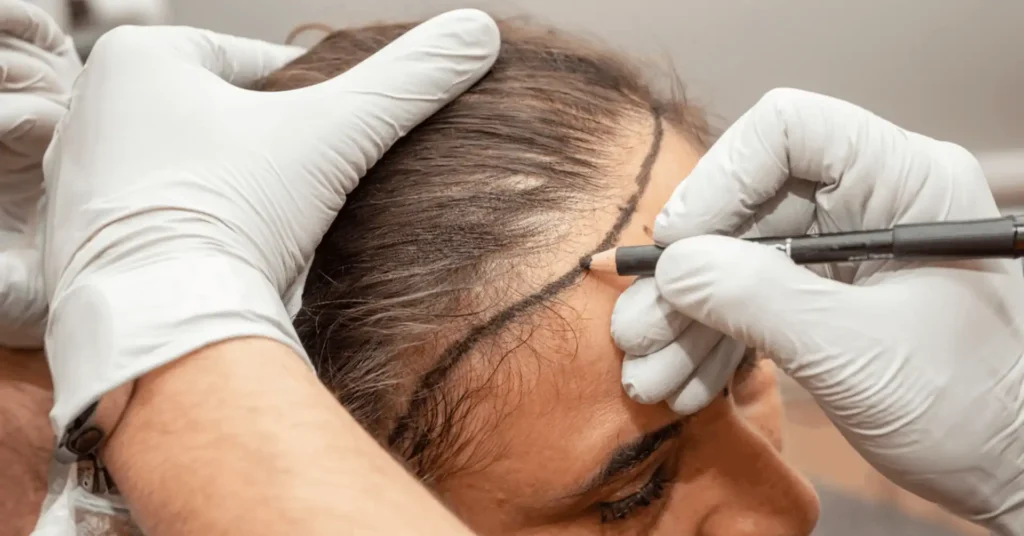
The most common application for this graft count is the reconstruction of the frontal hairline and the temporal peaks. For patients experiencing early stage recession, 1000 grafts are more than sufficient to bring the hairline down and fill in the triangular corners at the temples. The surgeon uses strictly single hair follicles at the very front to provide a soft and natural transition, placing the thicker two and three hair grafts slightly behind to build structural volume.
1000 Grafts Hair Transplant Crown Restoration
The vertex is a unique anatomical zone. A 1000 grafts hair transplant crown procedure is typically recommended only for early signs of thinning. The crown requires the surgeon to recreate the natural whorl or spiral pattern of the hair. Because the hair in this area grows outward in a circular direction, it provides less overlapping coverage than hair on the front of the scalp.
If a patient has a completely bald crown, 1000 grafts will not provide high density. However, if the goal is to thicken an area that is just beginning to show the scalp under harsh lighting, this specific graft volume acts as an excellent reinforcement.
Medical Suitability and the Unshaven Option
A critical factor for individuals in the corporate sector and female patients is privacy. A standard hair transplant usually requires shaving the entire head, which presents a significant barrier for many individuals. Modern clinical advancements now allow for targeted extractions without a full shave.
Female Pattern Thinning and Unshaven FUE
Women rarely experience complete baldness. Female pattern hair loss typically presents as diffuse thinning across the mid scalp or a widening of the natural parting. A 1000 graft session is an ideal clinical volume for female patients because it allows the medical team to increase density precisely where it is needed most.
Hairtec provides Unshaven FUE (U-FUE) protocols for these cases. The clinical team shaves only a small, horizontal window at the back of the head. This extracted area is easily concealed by the surrounding long hair immediately after the surgery. The recipient area on top is not shaved at all. The surgeon carefully implants the new follicles between the existing long hairs, preserving the patient current aesthetic appearance entirely.
Early Stage Male Hair Loss
For male patients seeking to maintain a professional profile, the unshaven method is equally viable for a 1000 graft session. Because the extraction volume is low, the small donor window heals rapidly. This approach allows male patients to return to boardrooms or social engagements within a few days without the visible stigma of a completely shaved head.
Technical Execution: FUE vs DHI for 1000 Grafts
The extraction of 1000 grafts is universally performed using the Follicular Unit Extraction (FUE) method to prevent linear scarring. However, the implantation phase can be executed using different medical tools depending on the recipient area.
The Precision of Direct Hair Implantation (DHI)
For a volume of 1000 grafts, DHI is frequently the preferred clinical method. The surgeon uses a specialized Choi Implanter Pen to extract and place the follicle simultaneously. This technique provides the highest level of control over the depth, angle, and direction of the hair. DHI is particularly effective when the surgeon must implant new grafts between existing native hairs, as it minimizes the risk of damaging the healthy roots nearby.
Sapphire FUE for Density Building
If the 1000 grafts are being concentrated in a completely bald patch, such as a localized scar or a deep temple recession, Sapphire FUE is a highly efficient choice. The synthetic gemstone blade creates microscopic channels with zero tissue tearing. This promotes faster healing and allows the surgeon to pack the grafts very closely together.
Biological Support with PRP Integration
Moving 1000 grafts is a physical intervention. To maximize the biological success of the surgery, Hairtec integrates Platelet Rich Plasma (PRP) therapy into the surgical protocol.
PRP involves drawing a small amount of the patient own blood, centrifuging it to isolate the growth factors, and injecting this concentrated plasma directly into the scalp. When applied during or immediately after a hair transplant, PRP provides several documented medical benefits.
- Accelerated tissue repair. The growth factors stimulate cellular regeneration, drastically reducing the redness and healing time of the recipient area.
- Increased graft survival. PRP acts as a biological anchor, providing immediate nutrients to the newly implanted follicles before the body establishes a permanent blood supply.
- Native hair strengthening. The plasma revitalizes the existing hair surrounding the transplant zone, helping to prevent shock loss and delaying further genetic thinning.
Integrating PRP into a 1000 graft session transforms the procedure from a simple physical relocation of hair into a comprehensive biological restoration program.
Post Operative Recovery and Social Downtime
The concept of downtime is the primary concern for professionals seeking a 1000 graft restoration. Because the surgical trauma is minimal, the physical recovery is rapid.
The First 72 Hours
Immediately following the procedure, patients may experience minor swelling on the forehead, particularly if the frontal hairline was restored. The donor area at the back of the head will have tiny red micro abrasions. Patients must sleep with their head elevated and avoid any physical contact with the recipient zone.
Returning to Professional Life
If the patient opts for the Unshaven FUE method, the visual downtime is drastically reduced. The surrounding long hair covers the extraction site at the back. The recipient area will show slight redness and small crusts.
- Days 3 to 5. The redness begins to fade. For patients working remotely or in office environments without harsh lighting, returning to work is highly feasible.
- Days 7 to 10. The small crusts around the grafts fall off naturally during the prescribed washing routine. At this point, the scalp looks clean, and the surgical intervention is virtually undetectable to a casual observer.
- Day 14 onwards. Patients can return to strenuous physical exercise and wear standard headwear.
The newly implanted hair will shed between weeks two and four. This is the normal biological cycle. Permanent growth begins at month three, with the final aesthetic density visible at the twelve month mark.
Dutch Medical Standards at Hairtec
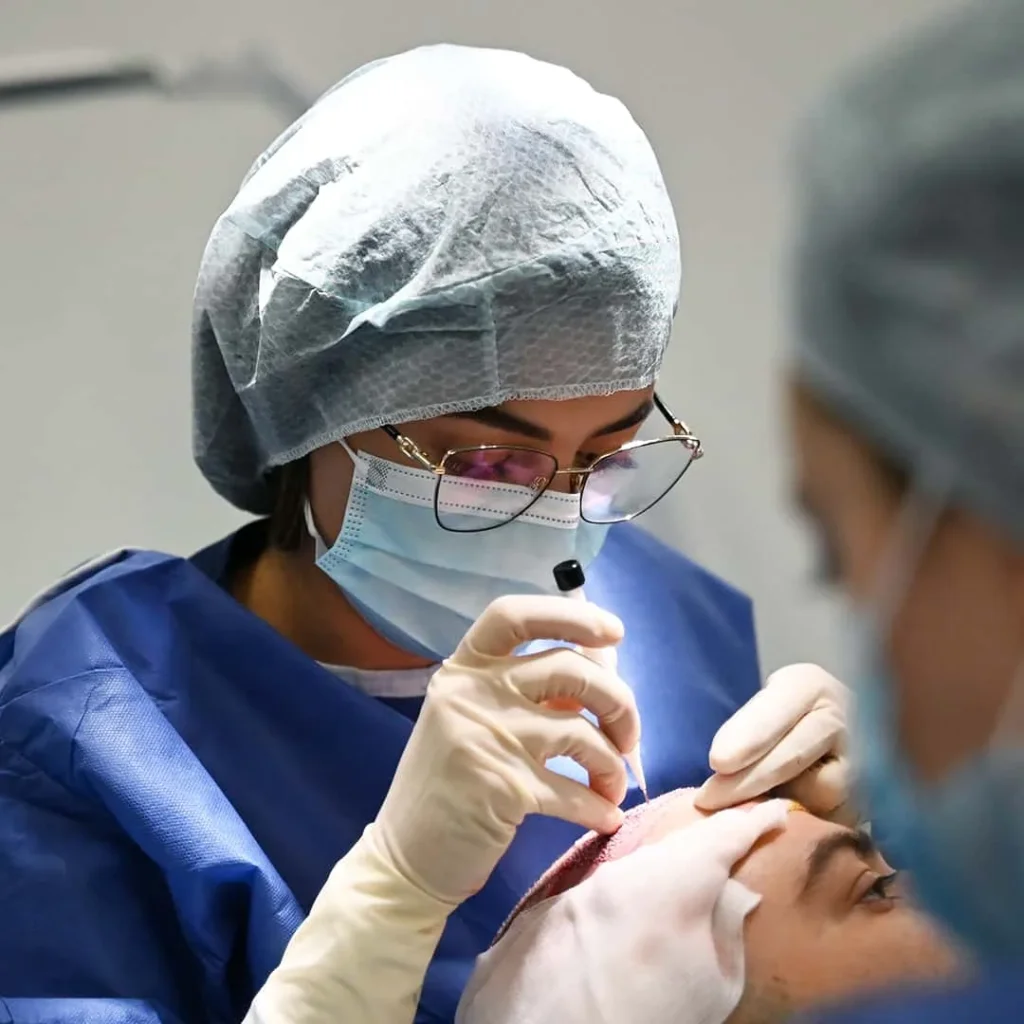
Executing a flawless 1000 graft session requires a disciplined clinical environment. Hairtec operates under the stringent medical regulations of the Dutch healthcare system. This framework prioritizes patient safety, facility sterilization, and data driven aesthetic results.
Focus on Follicle Viability
Because the total number of grafts is limited to 1000, the medical team cannot afford to lose a single follicle. Hairtec utilizes advanced cooling solutions and nutrient baths to keep the extracted grafts in an optimal metabolic state while they are outside the body. This strict adherence to tissue preservation is a hallmark of Dutch medical protocols and directly correlates with higher permanent growth rates.
VIP Logistics and Privacy for International Patients
Hairtec caters specifically to an international demographic that demands high clinical standards and absolute discretion. For patients traveling from London to Delft, the clinic provides a fully managed logistical pathway.
The process begins with a secure digital consultation to map the donor capacity and calculate the exact graft requirement. Upon arrival in the Netherlands, patients are supported with VIP airport transfers and premium accommodation. This closed loop system allows the patient to undergo the procedure, receive their immediate aftercare and PRP treatment, and return to the UK in a controlled, stress free environment.
1000 Grafts Hair Transplant Cost UK vs The Netherlands
Financial planning is a necessary step for any elective medical procedure. Patients actively comparing the 1000 grafts hair transplant cost UK options often notice a wide variance in pricing. The UK market tends to charge premium rates, often pricing the procedure per graft, which can inflate the cost of smaller sessions significantly.
Factors Influencing the 1000 Grafts Hair Transplant Cost
The final 1000 grafts hair transplant cost is not dictated solely by the number of hairs moved. The financial investment reflects the clinical technology and the medical expertise required to execute the surgery safely.
- Unshaven protocols. Executing an Unshaven FUE procedure requires significantly more time and specialized surgical skill than a standard shaved session, which influences the clinical fee.
- Tool utilization. The use of advanced DHI pens or single use Sapphire blades carries a higher operational cost than traditional steel instruments.
- PRP inclusion. Comprehensive packages that include biological support therapies provide higher value and better long term results.
- Surgical oversight. Having a senior physician manage the entire design and channel opening phase guarantees a higher success rate.
Many individuals in London choose to bypass the local UK market entirely. Traveling to a regulated facility in the Netherlands offers access to superior medical protocols at a highly structured and transparent price point.
Frequently Asked Questions About 1000 Graft Hair Transplant
How long does a 1000 graft hair transplant take?
Because the volume is relatively low, the entire surgical session typically takes between four to five hours. This includes the extraction, preparation, and implantation phases.
Is 1000 grafts enough for a receding hairline?
For mild to moderate recession at the temples, 1000 grafts are usually the perfect volume to restore a solid, youthful frame without over depleting the donor area. Learn more about hairline restoration for a receding hairline.
Do I have to shave my head for 1000 grafts?
No. This volume is highly compatible with Unshaven FUE protocols. The medical team can shave a small hidden window at the back of the head, allowing you to keep your current hairstyle intact.
How much area does 1000 grafts cover?
With a target density of 40 to 50 grafts per square centimeter, this volume will effectively cover a bald or severely thinning area of approximately 20 to 25 square centimeters.
Is the procedure painful?
The surgery is performed under advanced local anaesthesia. Patients do not feel pain during the extractions or the incisions. Mild tenderness during the first night is managed with standard clinical medication.
Can 1000 grafts fix my crown?
A 1000 grafts hair transplant crown procedure is effective for early stage thinning to increase density. It is not sufficient to provide full coverage if the crown is completely bald.
Will the donor area look thin after extracting 1000 grafts?
No. The back of the head contains tens of thousands of follicles. Extracting 1000 units using a scattered micro punch pattern leaves no visible change in the overall density of the donor zone.
How soon can I wear a hat after the surgery?
The clinic provides a specific medical cap for the first few days. Standard baseball caps or tight fitting hats should be avoided for at least two weeks to prevent physical friction on the new grafts.
Is PRP necessary for a 1000 graft transplant?
While the transplanted hair will grow without it, PRP is highly recommended. It accelerates the healing process, reduces visual downtime, and increases the overall survival rate of the follicles.
When will I see the final results of the surgery?
Initial new growth starts around month three. The hair continues to thicken and mature over the next several months. The definitive clinical result is evaluated at the one year mark.
Can women get a 1000 graft hair transplant?
Yes. This graft count is extremely popular among female patients looking to lower a high forehead or add volume to a widening parting using the unshaven technique.
What is the survival rate of 1000 grafts?
Under strict Dutch medical protocols and proper aftercare, the survival rate for a 1000 graft session is typically above 90 to 95 percent.
Will I need another transplant in the future?
This depends on your genetic predisposition. The transplanted hair is permanent, but if your native hair continues to thin, you may opt for another small session in the future to maintain overall density.
Can I dye my hair after the procedure?
Patients must wait at least six months before applying any chemical dyes to the transplanted area to verify the follicles are fully stabilized and the scalp is completely healed.
Why do UK patients travel to the Netherlands for this procedure?
Patients choose facilities like Hairtec to bypass the high 1000 grafts hair transplant cost UK market while simultaneously accessing stricter Dutch healthcare regulations, VIP logistics, and advanced unshaven protocols.
How we reviewed this article:
Hairtec.co.uk has strict sourcing guidelines and relies on peer-reviewed studies, academic research institutions, and medical journals and associations. We only use quality, credible sources to ensure content accuracy and integrity. You can learn more about how we ensure our content is accurate and current by reading our editorial policy.
- Jimenez F, Ruifernández JM (1999). Distribution of human hair in follicular units: a mathematical model for estimating the donor size in follicular unit transplantation. Dermatologic Surgery https://pubmed.ncbi.nlm.nih.gov/10417585/
- Dua A, Dua K (2010). Follicular unit extraction hair transplant. Journal of Cutaneous and Aesthetic Surgery https://pmc.ncbi.nlm.nih.gov/articles/PMC2956961/
Our experts continually monitor the health and wellness space, and we update our articles when new information becomes available


