Hairtec Hair Transplant Clinic

Losing hair creates significant stress for individuals seeking a permanent solution. The medical industry offers various technical approaches to restore density. Navigating these options often causes confusion due to conflicting marketing claims.
Choosing the right surgical approach requires looking past commercial trends. Medical success depends entirely on matching the specific extraction and implantation technique to the biological condition of the scalp.
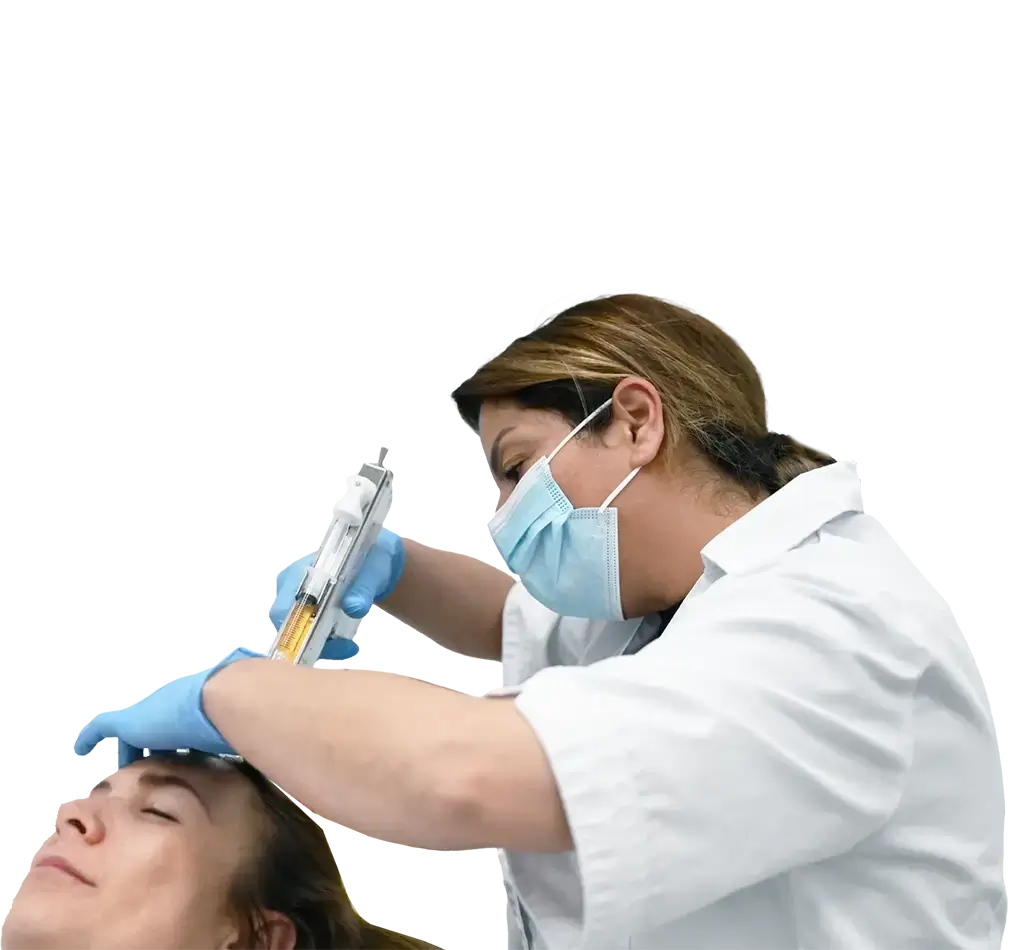
Hairtec applies strict Dutch medical standards to every restoration procedure. The clinical pathway focuses entirely on hard data and proven surgical science. Every patient undergoes a detailed diagnostic assessment to determine the most effective approach for their specific genetic profile.
A successful procedure requires absolute precision from the first extraction to the final graft placement. The medical team evaluates follicle health and donor capacity before recommending any specific surgical technique.
| Method Category | Extraction Process | Implantation Technique | Recovery Profile |
| FUE | Individual follicles are harvested using a micro-motor tool | Channels are opened manually before graft placement | Standard recovery with minimal visible scarring |
| DHI | Follicles are extracted individually similar to FUE | Grafts are implanted directly using a specialised pen tool | Faster healing due to reduced scalp trauma |
| Non-Surgical | No physical extraction of hair follicles occurs | Targeted cellular injections stimulate existing roots | Immediate return to daily activities |

DHI offers the best chance of a successful hair transplant by placing the follicles closely next to each other, achieving the highest possible density. Thanks to the refined technique, this is done without damage to the scalp or blood vessels, allowing the patient to recover much faster.

The Sapphire Follicular Unit Extraction (FUE) treatment method is, thanks to the use of special sapphire blades, currently the most advanced and least invasive approach for performing the FUE hair transplant successfully. We have extensive experience with this method and have continued to innovate it based on our own clinical insights.

The receptor treatment uses the body’s own regenerative capacity to improve circulation in the scalp. Based on positive results already achieved in the sports world, this treatment is increasingly being used as a therapy that acts as an energy booster for the scalp and hair, slowing hair loss and in some cases stopping it completely.

Hair grows optimally with a nutrient-rich balance. XL Hair can reinforce that, as it is a mesotherapy made up of a cocktail of natural hyaluronic acid and a rich vitamin complex (47 active ingredients, including antioxidants, vitamins/minerals, polyphenols, amino acids and growth factors) that counteracts hair loss and provides extra stimulation of hair growth in the existing hair follicles.
The Follicular Unit Extraction approach remains the global standard for modern hair restoration. This technique involves removing individual hair follicles from the donor zone at the back of the head. Specialists use a precision micro-punch tool to ensure the surrounding tissue remains undamaged.
Individuals often ask what is fue hair transplant method and why it has replaced older strip-harvesting techniques. The answer lies in the lack of linear scarring. FUE produces microscopic dots that are virtually invisible even with very short hairstyles.
The success of a hair transplant fue method depends on several clinical factors.
This fue method hair transplant provides the foundation for most modern density restoration projects. It allows for high graft counts while maintaining a high survival rate for the transplanted follicles.
The latest evolution of the standard extraction technique involves using blades made from sapphire gemstones. Traditional steel blades are replaced with these ultra-sharp and durable precious stones to create much finer incisions.
Using a sapphire blade reduces the vibration during the channel-opening phase. This leads to significantly less tissue trauma and a much smoother healing process for the patient. The fine tips allow the surgeon to place the grafts closer together for a much higher overall density.
Individuals seeking more information on this specific technical advancement can review the details on the Sapphire FUE Hair Transplant Method page.
The increased precision of this tool ensures that the skin remains healthy and the blood supply to the new grafts is not compromised. This medical innovation has transformed the way clinics approach high-density restoration.
The clinical focus now shifts toward advanced implantation techniques and the comparative analysis of surgical outcomes.
The Direct Hair Implantation technique represents a specialized evolution in the restoration field. Unlike standard methods where incisions are made separately, this approach uses a specialized tool called a Choi Implanter Pen. Individuals often ask what is dhi hair transplant method when researching faster recovery options.
The biological integrity of the grafts is a primary focus during the dhi method hair transplant. Follicles spend less time outside the body compared to traditional techniques. This reduced exposure leads to higher graft survival rates and more predictable growth patterns.
The mechanical process involves loading the harvested follicle directly into the implantation pen. The surgical specialist then places the graft into the scalp while simultaneously creating the recipient site. This dual action process minimizes trauma to the surrounding skin tissue.
Detailed technical specifications of this approach are found on the DHI Hair Transplant Method page. The clinical advantages of this mechanical placement include the following.
Determining the best hair transplant method requires a comparative analysis of individual goals and the extent of the hair loss. No single technique is universally superior for every clinical case. The decision between FUE and DHI depends on several variables including the total number of grafts needed and the desired level of discretion.
The following table compares the two primary surgical strategies to help identify which approach aligns with specific medical requirements.
Comparison Factor | FUE (Sapphire) | DHI (Choi Pen) |
Graft Volume | Ideal for high graft counts exceeding 3000 | Best for targeted areas and lower graft volumes |
Shaving Requirement | Shaving is typically mandatory for the recipient area | Shaving is often not required for the recipient area |
Implantation Speed | Faster for large areas due to pre-opened channels | Slower and more labor-intensive per individual graft |
Recovery Speed | Standard healing period of 10 to 14 days | Slightly faster crusting and healing of the skin |
Individuals often search for what is best hair transplant method when trying to balance costs and clinical results. While DHI offers more precision and a faster recovery, FUE allows for the movement of significantly more hair in a single session. A proper clinical diagnosis is the only way to finalise this decision.
Achieving a natural result requires a precise calculation of the hair follicles needed to cover the thinning areas. This mathematical approach prevents over-harvesting from the donor zone and ensures the new density looks consistent across the entire scalp. Clinical specialists determine the final number based on the elasticity of the skin and the thickness of the individual hair shafts.
The total requirement varies significantly depending on the severity of the loss. The following table provides a general breakdown of how different graft volumes are utilized during a restoration procedure.
Graft Volume | Typical Application Area | Clinical Objective |
1000 Grafts | Minor hairline adjustments | Restoring frontal symmetry and filling small gaps |
2000 Grafts | Temple recession and frontal density | Rebuilding a significant portion of the hairline |
3000 Grafts | Mid-scalp thinning and hairline work | Creating a dense look over larger thinning zones |
4000 Grafts | Extensive loss spanning multiple areas | Achieving full coverage for advanced thinning |
5000 Grafts | Severe balding or total reconstruction | Maximizing density across the entire top of the head |
Every individual case requires a custom count to match their specific aesthetic goals. Detailed medical breakdowns for each volume are available on the specific pages for a 1000 Graft Hair Transplant or a 2000 Graft Hair Transplant. For more extensive requirements, patients can review the protocols for a 3000 Graft Hair Transplant, a 4000 Graft Hair Transplant, or a 5000 Graft Hair Transplant.
Planning the surgery involves more than just selecting a high number of follicles. The medical team must ensure the donor area at the back of the head remains dense and healthy.
Success in high-volume cases depends on several clinical factors.
Surgery is not always the first or only step in a restoration plan. Many individuals seek a hair transplant non surgical method to strengthen existing follicles or prepare the scalp for future surgery. These clinical alternatives focus on the biological health of the roots rather than physical relocation.
Applying a medical-first approach helps halt active shedding and increases the diameter of thin hair shafts. These therapies often serve as an essential foundation for surgical success.
Advanced biological treatments utilize specialized serums and growth factors to reactivate dormant follicles. These methods are particularly effective for individuals experiencing early thinning where the scalp is not yet completely smooth.
One highly specialized protocol involves the Receptor Treatment Method. This approach focuses on improving the cellular environment of the scalp to ensure the follicles receive maximum nutrients.
Another advanced option is the XL Hair Method. This clinical strategy involves micro-injections of highly concentrated vitamins and growth stimulants directly into the skin. Both protocols aim to extend the growth phase of the hair and prevent further miniaturisation without requiring invasive surgery.
Selecting a clinical partner for surgical restoration requires absolute transparency and medical authority. Hairtec operates on a distinct philosophy that prioritises Dutch medical standards and long-term patient health over commercial trends.
The entire process begins with a highly secure online diagnostic assessment. Medical specialists evaluate the scalp health and donor capacity to determine the best hair transplant method for each specific case. This data-driven approach removes the guesswork and ensures a predictable surgical outcome.
The clinical facility in Delft adheres to the most rigorous healthcare regulations in Europe. Every surgical protocol is designed to minimize trauma and maximize follicle survival rates. Patients benefit from a highly structured environment where medical safety is the primary concern.
Logistical support is managed from start to finish. The clinic coordinates everything from VIP airport transfers to premium accommodation near the medical center. This comprehensive service ensures the patient can focus entirely on their recovery and final results.
Financial transparency is guaranteed from the initial consultation. There are no hidden costs for specialized tools or surgical materials. This honest approach reflects the clinical integrity of the entire medical team.
Here you will find answers to the most common questions about Hair Transplant Methods.
Both FUE and DHI methods avoid the linear scarring associated with older techniques. The microscopic extraction points heal quickly and become virtually invisible even with very short hair styles.
Clinical specialists analyze the hair density and the total area that needs coverage. Factors like scalp elasticity and the personal desire for a faster recovery time help dictate the final surgical choice.
No. The procedure uses advanced local anaesthesia to numb the scalp entirely. Patients remain awake and comfortable throughout the session without the risks associated with general anaesthesia.
A strict mathematical assessment of the donor zone prevents this issue. Surgeons only extract a safe percentage of the available hair to ensure the back of the head maintains a natural and dense appearance.
When following Dutch medical protocols the survival rate is typically very high. Proper handling of the follicles and minimizing their time outside the body are the most critical factors for success.
Light activities are generally safe after ten days. However heavy lifting or high-impact sports should be avoided for at least three to four weeks to protect the new grafts from physical trauma.
Age is a factor in determining the future patterns of hair loss. Surgeons design the restoration to look natural not just for the present but also as the individual continues to age.
Following the prescribed aftercare protocol and operating in a sterile clinical environment reduces this risk significantly. Patients receive a complete medical kit and instructions to manage scalp hygiene during the first week.
In some complex cases a combination of extraction and cellular support is used. This hybrid approach aims to fill bald areas while simultaneously strengthening the surrounding native hair.
Curly follicles require a specialized extraction technique to avoid damaging the root beneath the skin. The medical team adjusts the punch tool size and depth to accommodate these unique biological structures.
Every step toward fuller hair begins with sound advice. Book a free, no-obligation consultation and discover which treatment suits you best.
A personal conversation with our specialists about your wishes and the possibilities.
A detailed analysis of your scalp and hair follicles to determine the right approach.
The selected hair transplant technique is carefully performed by our experienced team.
Professional guidance after your treatment for optimal recovery and long-lasting results.