Hairtec Hair Transplant Clinic

Alopecia is a broad medical term encompassing various types of hair loss, ranging from autoimmune conditions to physical trauma. An alopecia hair transplant is a specialized reconstructive procedure designed to restore density in areas where the hair follicles have been permanently destroyed. Unlike standard male pattern baldness, treating alopecia requires a rigorous diagnostic phase to determine if the condition is stable enough to support surgical intervention.
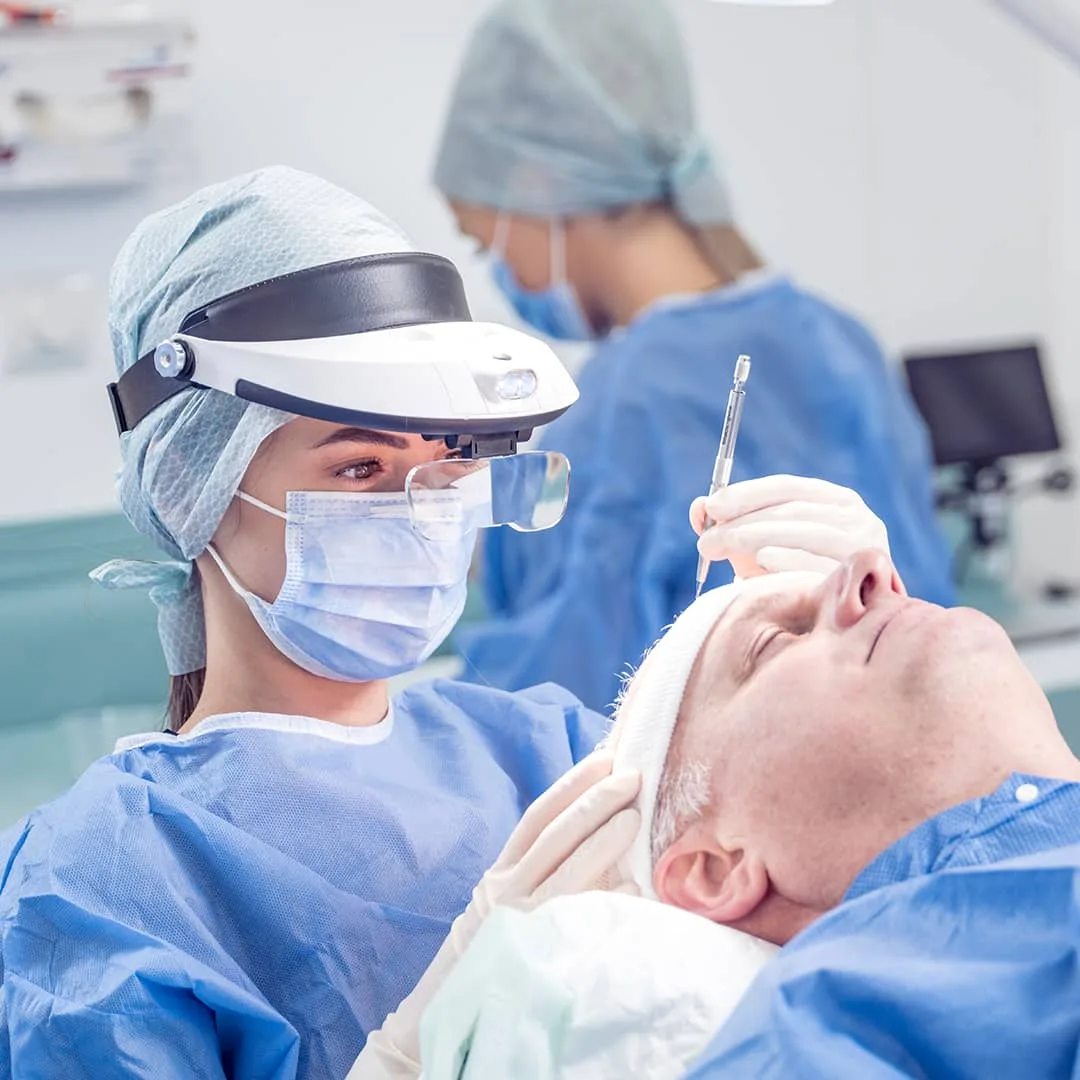
An alopecia hair transplant treats permanent hair loss caused by stabilised forms of alopecia such as scarring alopecia, traction alopecia or longstanding alopecia areata. The procedure relocates DHT-resistant follicles into affected zones once specialists confirm the disease is no longer active.
The success of a hair transplant for alopecia depends entirely on identifying the specific type of hair loss present. Hairtec medical teams must distinguish between scarring and non scarring forms of the condition to avoid surgical failure. When the underlying cause is correctly managed and the condition is in a state of permanent remission, advanced restoration techniques provide a long term solution for rebuilding a natural appearance.
Patients experiencing unpredictable shedding often ask can a person with alopecia get a hair transplant safely. The clinical answer depends on the stability of the immune system and the health of the donor area. In many autoimmune cases, the body may attack newly transplanted follicles just as it attacked the original hair. Therefore, surgery is only recommended when the hair loss has remained inactive for a significant period, typically two years.
A thorough medical history and physical examination are required before any surgical commitment. The Hairtec team evaluates the scalp for signs of active inflammation, such as redness, scaling, or “exclamation mark” hairs. If the condition is still progressing, surgical intervention will fail, as the immune system will continue to destroy follicles regardless of their location on the scalp.
Stability is the primary requirement for a successful outcome. In non scarring alopecia, such as traction alopecia caused by tight hairstyles, the hair loss is localized and physical. These cases are highly suitable for surgery because the underlying cause is not an active disease.
In contrast, conditions like alopecia areata involve the immune system attacking the hair bulb. If a patient undergoes surgery during an active flare up, the transplanted grafts will not survive. Clinical protocols require the patient to demonstrate a period of total inactivity, often verified by a dermatologist, before a transplant is considered a viable option.

Alopecia covers a spectrum of conditions ranging from genetic androgenetic patterns to autoimmune alopecia areata, scarring alopecia, and traction alopecia from styling tension. Each subtype responds differently to surgical treatment. The first step at Hairtec is a clinical assessment that confirms whether the affected zone is suitable for transplantation, since active scarring or autoimmune flare-ups can compromise graft survival.
Once the donor area is verified as stable, single-graft DHI implantation is used to restore coverage in dormant zones. The technique allows precise angle control and minimum trauma, which is essential when working around scarred tissue or sensitive autoimmune-affected scalp.
Alopecia areata is characterized by sudden, circular bald spots. While many patients ask can a hair transplant help alopecia areata, the procedure is rarely the first line of treatment. Because this condition is often reversible through medical therapies, surgery is reserved only for "burnt out" cases where the patches have been stable for several years and no longer respond to injections or topical treatments.
Transplanting into an area affected by alopecia areata carries a risk of triggering a new immune response. The Hairtec team utilizes a cautious approach, often performing a small test session to monitor the body reaction before proceeding with a full reconstruction. This verified clinical pathway minimizes the risk of graft rejection and ensures the patient does not undergo unnecessary procedures.
Women experience alopecia differently than men, often facing diffuse thinning or localized recession due to hormonal shifts or styling habits. A hair transplant for women with alopecia is a precision focused procedure that addresses these specific patterns without requiring a full head shave. The medical objective is to increase density and restore the frontal boundary while preserving the existing native hair.
Many female patients suffer from androgenetic alopecia, which follows a predictable pattern and reacts well to surgery. However, other forms like telogen effluvium or nutritional alopecia must be treated medically rather than surgically. A digital scalp analysis is essential to determine if the hair loss is permanent or if the follicles are merely dormant and capable of regrowth through non invasive biorevitalization.
| Condition Type | Visual Pattern | Surgical Suitability |
|---|---|---|
| Traction Alopecia | Receded hairline and temples | Very High |
| Female Pattern (Ludwig I-II) | Widening of the central parting | High (Unshaven DHI) |
| Frontal Fibrosing Alopecia | Scarring of the forehead line | Low (Requires 2+ years stability) |
| Telogen Effluvium | General shedding across the scalp | Not Suitable (Temporary condition) |
Traction alopecia is one of the most common reasons women seek a hair transplant. Continuous tension from extensions, braids, or tight ponytails destroys the follicles along the hairline and temples. Because the donor hair at the back of the head is usually unaffected, these patients are often the best candidates for a hair transplant for women with alopecia.
Frontal fibrosing alopecia (FFA) is a form of scarring hair loss that primarily affects the frontal hairline and eyebrows. A frontal fibrosing alopecia hair transplant is particularly challenging because the condition involves the permanent replacement of hair follicles with scar tissue. Surgery is only an option when the disease has been medically dormant for a minimum of two to three years.
Even in stable cases of FFA, the survival rate of grafts is typically lower than in healthy tissue. The scar tissue in the frontal region has reduced blood flow, making it difficult for new follicles to establish a permanent nutrient supply. Patients must have realistic expectations and understand that a staged approach, involving multiple smaller sessions, may be required to achieve satisfactory density.
Before attempting a frontal fibrosing alopecia hair transplant, the patient must be under the care of a dermatologist. Anti inflammatory treatments are often used to bring the condition into remission.
The Hairtec team works in coordination with medical specialists to verify that the scalp environment is no longer hostile. A biopsy may be requested to confirm that there is no active lymphocytic inflammation around the remaining follicles. Only once the all clear is given can the architectural planning of the new hairline begin.

Financial planning for these procedures differs from standard restoration because the complexity is significantly higher. The alopecia hair transplant cost is influenced by the need for specialized diagnostic tools, the potential for multiple sessions, and the integration of biological support therapies like PRP.
Patients researching hair transplant for alopecia london options often find that pricing is dictated by the level of clinical oversight required. Because alopecia cases carry a higher risk of graft failure, the surgical team must spend more time on graft selection and site preparation.

Executing a successful transplant for complex alopecia requires a disciplined clinical environment that prioritizes medical safety over commercial volume. Hairtec operates under the strict healthcare regulations of the Netherlands, providing a data driven approach to hair restoration in Delft.
The medical team at Hairtec utilizes advanced DHI (Direct Hair Implantation) pens for alopecia cases. This technology allows the surgeon to implant follicles with minimal tissue trauma, which is essential when working with compromised or sensitive scalp tissue. By controlling the exact depth and angle of every graft, the team maximizes the survival rate even in challenging recipient zones.
For international patients, particularly those traveling from London, Hairtec provides a fully managed logistical pathway. This includes secure digital consultations to evaluate the type and stability of the alopecia before the patient travels. Upon arrival in the Netherlands, patients receive VIP support, including airport transfers and premium accommodation, ensuring the surgical process is conducted in a controlled and stress free environment.
Graft viability is a critical factor in alopecia cases where every follicle is precious. Hairtec utilizes specialized cooling solutions such as HypoThermosol to maintain the metabolic health of the extracted follicles. This is particularly important for patients with limited donor areas who cannot afford a low survival rate.
The medical team also integrates ATP (Adenosine Triphosphate) sprays into the post operative care. These sprays provide immediate cellular energy to the newly implanted follicles, supporting their survival during the critical first 72 hours. This advanced biological support is part of the standard Dutch clinical protocol at Hairtec.
Post operative care at Hairtec extends beyond the surgical session. For alopecia patients, maintaining the results requires ongoing monitoring of the underlying condition. The clinical team provides a structured aftercare plan that includes regular digital check ups to ensure no new inflammation is developing around the transplanted area.
If any sign of a flare up is detected, the medical team coordinates with the patient local dermatologist to initiate prompt anti inflammatory treatment. This collaborative approach protects the surgical investment and ensures the long term success of the alopecia hair transplant.
A hair transplant can permanently restore hair in areas where the follicles have been destroyed, provided the underlying cause of the alopecia is no longer active. If the condition is an active autoimmune disease, the new hair may still be at risk of future shedding.
No. Surgery is contraindicated during the active phase of alopecia areata. The immune system will likely attack the new grafts, leading to a total failure of the procedure. The condition must be stable and inactive for at least two years.
The cost varies based on the graft count and the complexity of the scalp tissue. Because alopecia cases require higher clinical expertise, prices may be higher than standard sessions. Hairtec provides transparent, structured pricing for international patients traveling from the UK.
It is only suitable for patients whose FFA has been medically stable for several years. Even then, the survival rate of grafts is lower than in healthy skin cases due to the reduced blood supply in the scarred tissue.
Yes. In autoimmune cases, the transplanted hair is not immune to a new flare up of the disease. This is why medical stabilization and a long period of inactivity are the most important prerequisites for surgery.
Women with diffuse thinning can undergo a transplant if they have a stable and dense donor area at the back of the head. If the thinning affects the entire scalp, including the donor zone, surgery is usually not an option.
Most clinical protocols require a minimum of 24 months of total inactivity. This means no new patches, no expansion of existing patches, and no active inflammation visible under microscopic examination.
Yes. Traction alopecia is one of the most successful conditions to treat with a hair transplant. Since the cause is physical rather than a disease, the survival rate of the grafts is exceptionally high, similar to standard male pattern baldness.
The success rate depends on the type of alopecia. Traction and androgenetic cases see survival rates over 90 percent. Scarring or autoimmune cases typically see survival rates between 60 and 80 percent, depending on tissue health.
Yes. Hairtec utilizes secure digital diagnostic tools to evaluate photographs and medical histories. This allows patients to confirm their candidacy and understand the likely clinical outcome before traveling to the Netherlands for the procedure.