Hairtec Hair Transplant Clinic

Maintaining a professional image during a medical recovery is a priority for many high profile individuals. Standard hair restoration often requires a completely shaved head which makes the procedure obvious to colleagues and the public. An unshaven hair transplant offers a sophisticated alternative for those who require absolute discretion.
The biological process of moving follicles remains the same while the aesthetic impact on the patient is significantly reduced. This specialized approach allows the hair to remain at its natural length both in the donor and recipient areas. Achieving a successful result without shaving demands a higher level of surgical expertise and advanced medical tools.
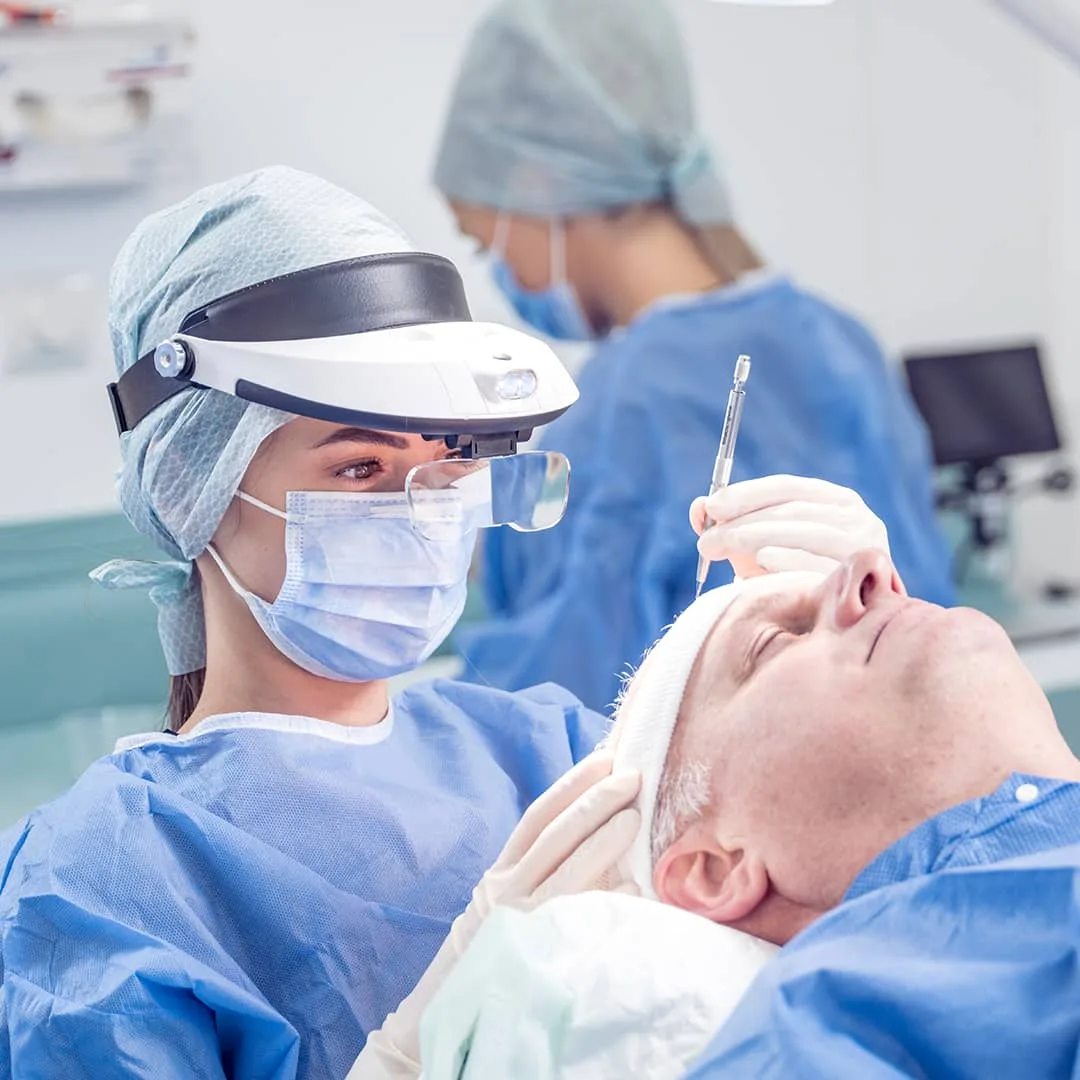
The term unshaven hair transplant refers to a surgical technique where the hair is not cut short before the extraction or implantation phases. This is often called a U-FUE or non shaven procedure in clinical circles. The primary goal is to hide the signs of surgery immediately after the session.
Standard procedures involve shaving the entire scalp to provide the surgeon with a clear view of the follicles. In an unshaven session the medical team works around the existing long hair to identify and extract individual grafts. This process is more time consuming but offers an immediate return to social life without the characteristic look of a post operative scalp.
The table below outlines the fundamental differences between traditional and unshaven restoration techniques.
| Feature | Traditional Hair Transplant | Unshaven Hair Transplant |
|---|---|---|
| Visual Impact | Entire scalp is shaved | Existing hair length is maintained |
| Discretion Level | Low | Very High |
| Surgical Duration | Standard | Significantly Longer |
| Donor Area View | Fully exposed | Hidden between long hair strands |
Selecting this approach requires a stable donor area and a clear perspective on the patient’s hair density. While the visual benefit is clear the technical difficulty for the surgeon increases. Only specialized clinics with experience in long hair handling can perform these procedures effectively.

Performing an unshaven fue hair transplant requires specific modifications to the standard Follicular Unit Extraction process. Instead of shaving the donor zone the surgeon must manually part the hair to reveal the underlying skin. This allows for the precise extraction of follicles while the surrounding hair provides natural camouflage.
The medical team uses a specialized punch tool designed to navigate around long hair shafts. This prevents the tool from tangling in the existing hair or causing unnecessary damage to adjacent roots. Every extraction must be performed with extreme care to maintain the health of the donor area.
Successful execution of this technique depends on several clinical factors.
Patients often choose the unshaven fue hair transplant when they only need to address specific areas like the temples or the frontal hairline. This allows the new grafts to be hidden behind the existing frontal fringe during the healing process.
The Direct Hair Implantation approach offers significant benefits when avoiding the use of medical clippers. This technique utilizes the Choi Implanter Pen to place grafts directly into the recipient area without the need for pre-cut channels. The presence of existing long hair often makes standard manual incisions difficult to navigate. An unshaven dhi hair transplant bypasses this limitation by performing the placement in a single streamlined movement.
The biological benefit of this method involves minimal exposure of the follicle to the external environment. Reducing the time the graft spends outside the body significantly improves the survival rate of the hair.
Specific clinical advantages of this unshaven approach include the following items.
Individuals interested in the mechanics of this procedure can review the specific technical protocols on the DHI Hair Transplant Method page. This technique remains the preferred choice for patients demanding the highest level of post operative privacy.
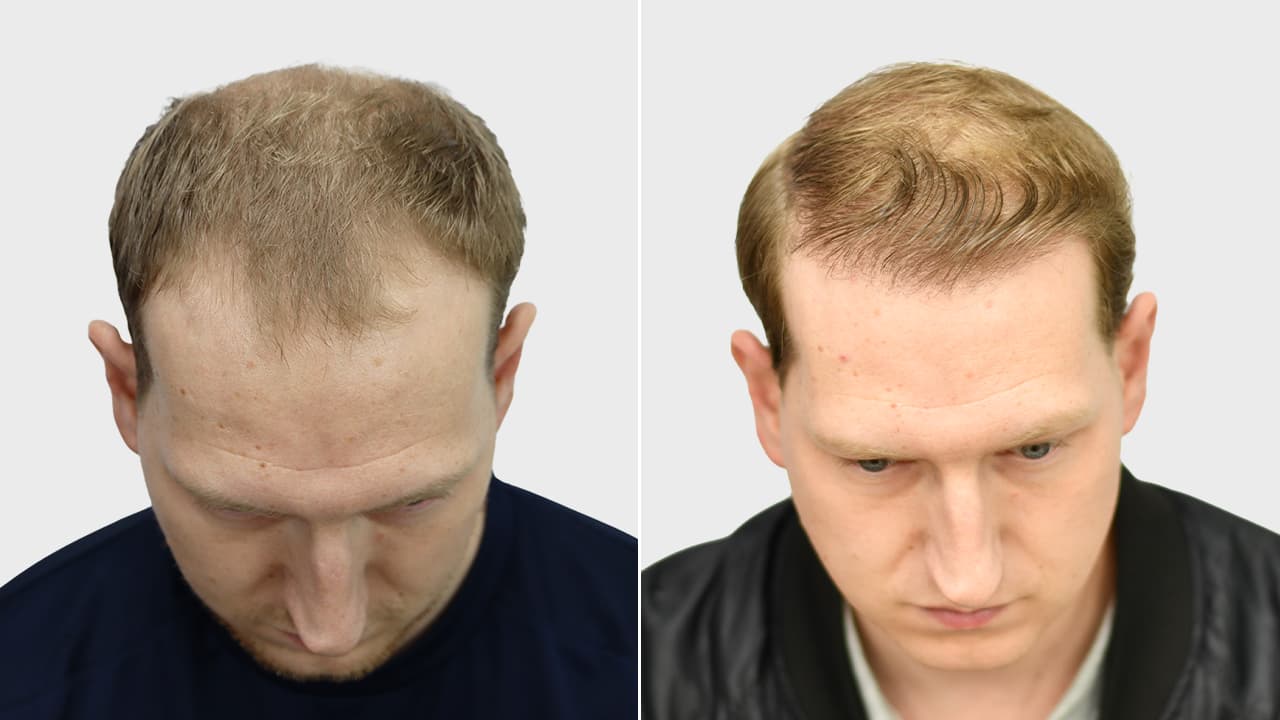
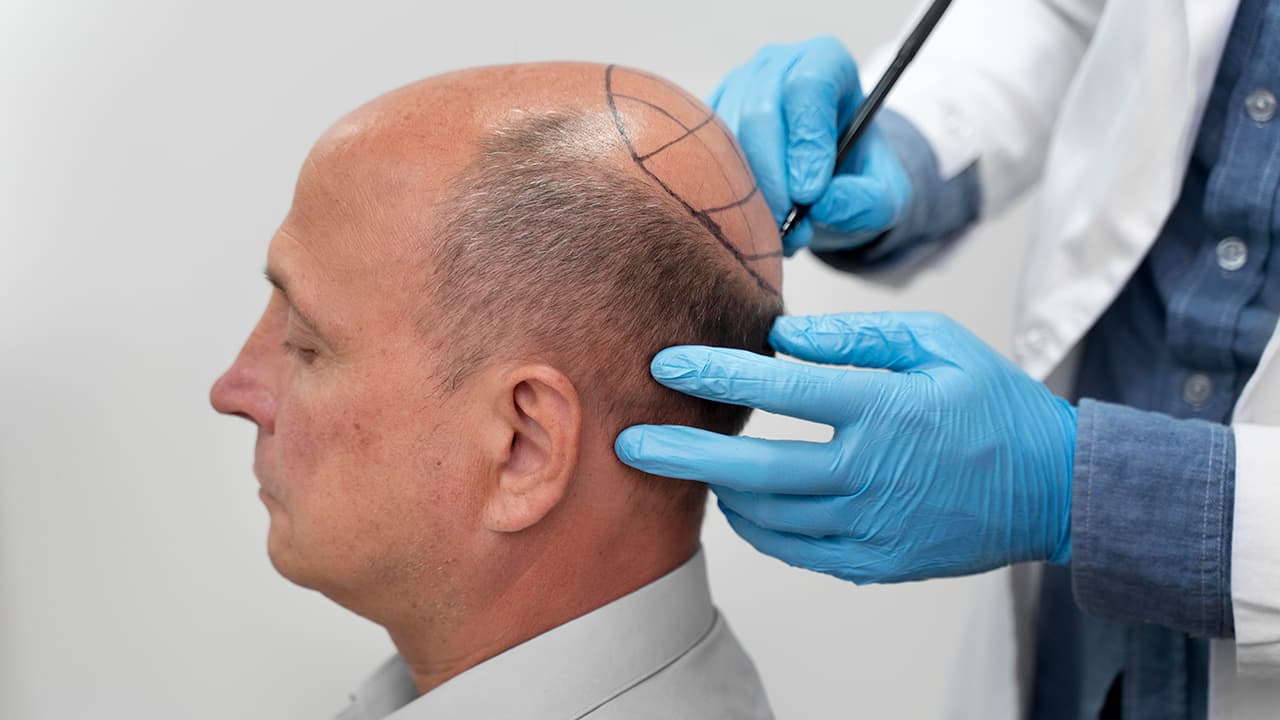
The crown or vertex area presents a unique challenge when maintaining hair length. The hair in this region grows in a specific spiral pattern that must be replicated to ensure a natural look. Thinning in the crown often leaves enough surrounding hair to hide the surgical sites if the area is not shaved. An unshaven crown hair transplant focuses on placing new grafts between these existing strands.
Achieving a natural whorl pattern without a clear shaved view requires exceptional surgical focus. The medical team must carefully identify the direction of every native hair to avoid damaging existing roots. This precision ensures that the new growth blends seamlessly with the original hair as it matures.
Further clinical details on the reconstruction of the vertex are available on the Crown Hair Transplant page. Preserving the hair length in this zone allows patients to hide the procedure from a top down view almost immediately.
The financial investment for a non shaven procedure is typically higher than standard methods. This price difference reflects the significant increase in surgical time and the specialized expertise required to navigate around long hair strands. An unshaven hair transplant cost accounts for the slower pace of the operation and the high level of coordination needed between the surgeon and the technicians.
A standard shaved session allows a surgeon to extract a high volume of grafts per hour. In contrast an unshaven session requires the manual parting of every hair strand before each individual extraction. This labor intensive process reduces the total number of grafts that can be moved in a single day.
| Cost Factor | Traditional FUE | Unshaven FUE or DHI |
|---|---|---|
| Surgical Time | 4 to 6 hours | 8 to 12 hours |
| Graft Processing | Standard speed | Highly meticulous handling |
| Team Requirement | Standard clinical staff | Specialized long hair technicians |
| Overall Investment | Base clinical rate | Premium technical surcharge |
Every patient receives a transparent financial breakdown during the initial diagnostic phase. This ensures there are no unexpected costs related to the specialized tools or the extended duration of the session.
Many patients actively research an unshaven hair transplant london or look for local clinics across the unshaven hair transplant uk market. The primary motivation for these individuals is finding a local team capable of handling complex long hair extractions. While many clinics in the UK offer these services the quality of the results depends heavily on the specific medical protocols in place.
Dutch medical standards are recognized globally for their strict adherence to patient safety and technical precision. Many professionals choose to travel from London to the clinical facility in Delft to benefit from this higher level of regulation. The Dutch healthcare framework ensures that every surgical tool and protocol meets the most rigorous clinical requirements.
Selecting a clinic for an unshaven hair transplant uk based procedure requires a thorough review of the medical team’s experience with long hair. A lack of expertise in this area can lead to tangling or damaged follicles during the extraction phase.

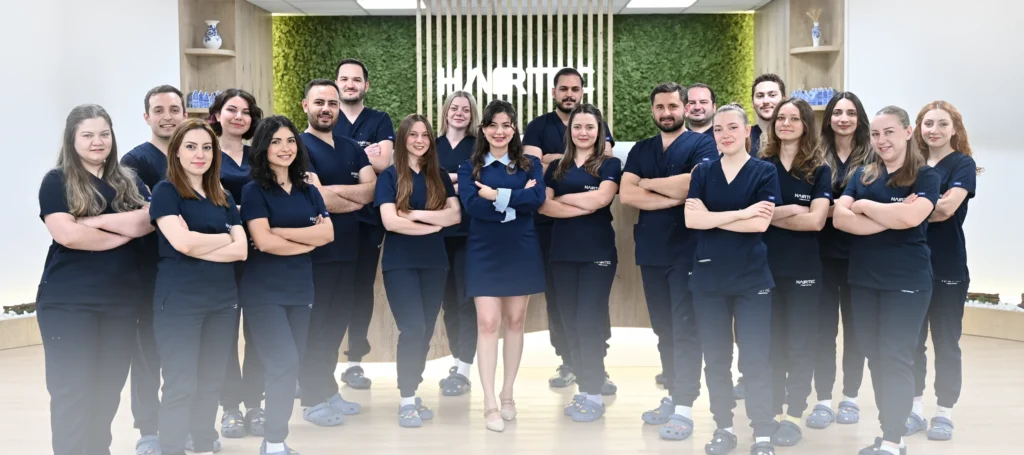
The medical philosophy at Hairtec focuses on providing the most discreet results possible through advanced Dutch engineering. Every clinical decision follows a strict protocol that prioritises the biological health of the follicle while respecting the patient’s need for privacy. An unshaven restoration is the most effective way to achieve these dual goals.
The clinical facility in Delft provides a controlled and highly professional environment for these time intensive procedures. Unlike high volume commercial clinics every session is managed with a focus on quality over speed. This ensures that every individual graft is handled with the care necessary for permanent survival.
Logistical support is fully integrated into the medical pathway. Patients traveling for surgery receive VIP airport transfers and premium accommodation to ensure a stress free recovery. This comprehensive service allows the individual to focus entirely on their clinical outcome.
The final results are monitored through a secure digital portal. This allows the medical team to provide constant aftercare support regardless of the patient’s location. Maintaining this connection ensures that the recovery phase follows the predicted clinical timeline.
While small to medium sessions are ideal for the unshaven approach very large procedures may require multiple sessions. Extracting 4000 or 5000 grafts without shaving the donor area is technically challenging and requires an extended surgical plan.
The surgeon harvests follicles in a scattered pattern between the existing long hair. This technique ensures that the donor density remains consistent and that no visible gaps are created.
Minor redness typically fades within the first seven to ten days. Because the existing hair covers the recipient area this redness is usually hidden from public view during the entire healing process.
This technique is highly popular among female patients who rarely wish to shave any part of their scalp. It allows for the restoration of density in the parting or the hairline with maximum discretion.
The biological healing time of the skin remains the same as a traditional transplant. However the social recovery is much faster because there is no need to wait for a shaved head to grow back to its original length.
The follicles are extracted from the genetic resistant zone at the back of the head. These roots are not affected by the hormones that cause thinning and will continue to grow for a lifetime once successfully implanted.
The anaesthesia protocols are identical for both methods. The scalp is completely numbed before the procedure begins and the patient experiences no pain during the extraction or implantation phases.
The Choi Implanter Pen used in DHI is exceptionally effective for the crown area. It allows the surgeon to place grafts between existing hairs without damaging the surrounding native follicles.
The primary limitation is the increased surgical time and the corresponding higher cost. It also requires a more experienced surgical team to manage the complexities of long hair during a medical procedure.
A clinical assessment is required to evaluate the hair texture and donor density. Individuals with very thin donor hair or specific scalp conditions may be advised to consider a partial shave to ensure the best possible medical outcome.